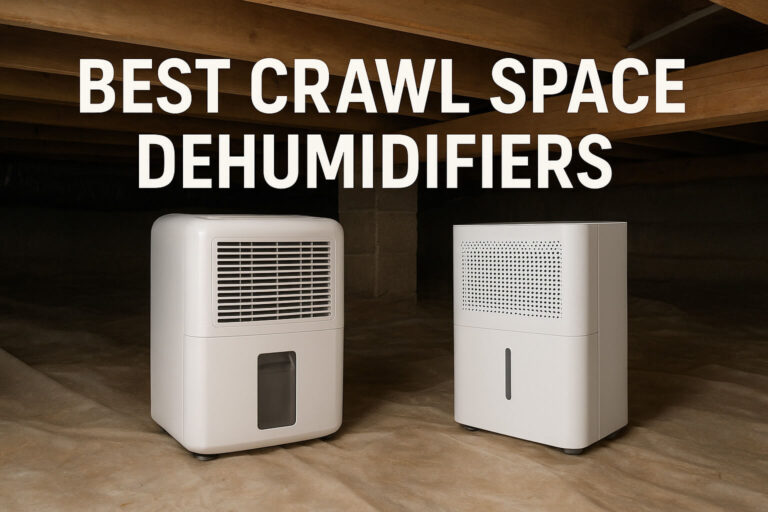
The 10 Best RV Dehumidifiers of 2026
Waking up in an RV equipped with one of the best RV dehumidifiers should feel refreshing. You should smell the coffee, not a damp, musty odor. Instead, you see water drops on the inside of your windows. Your sheets feel a little cool and clammy. A quiet worry creeps in. You are not just dealing with discomfort. You are fighting an invisible enemy that can ruin wood, stain fabrics, and create unhealthy mold.
This is a battle every RVer knows. That search for the best RV dehumidifier is not about a gadget. It is about protecting a major investment and your health. The market is flooded with options. Tiny colorful boxes. Large home appliances. Bags of crystals. How do you choose the right one for your specific rolling home? Let us start by meeting the top best RV dehumidifiers and seeing exactly how they handled life on the road.
A Quick Look at Top 10 RV Dehumidifiers
Image | Product | Rating (/10) | Price |
1 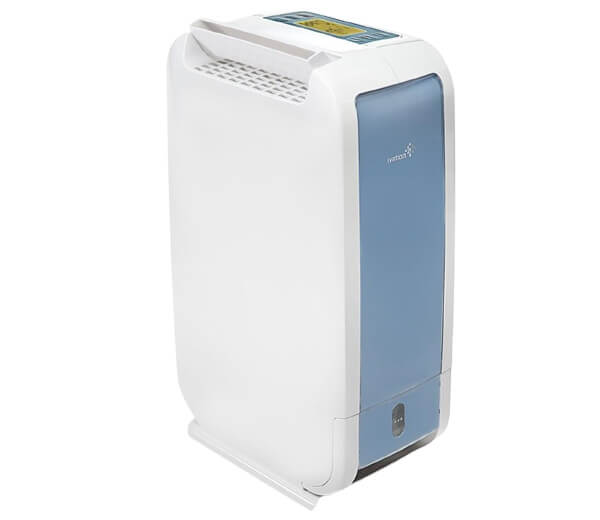 | 9.5 | ||
2 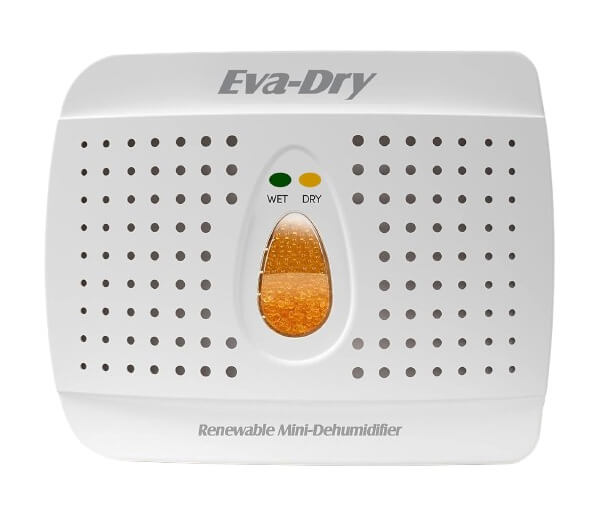 | 7.0 | ||
3 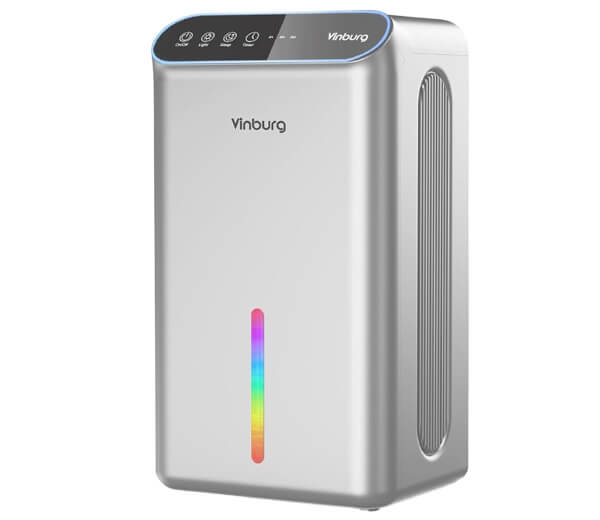 | 8.5 | ||
4 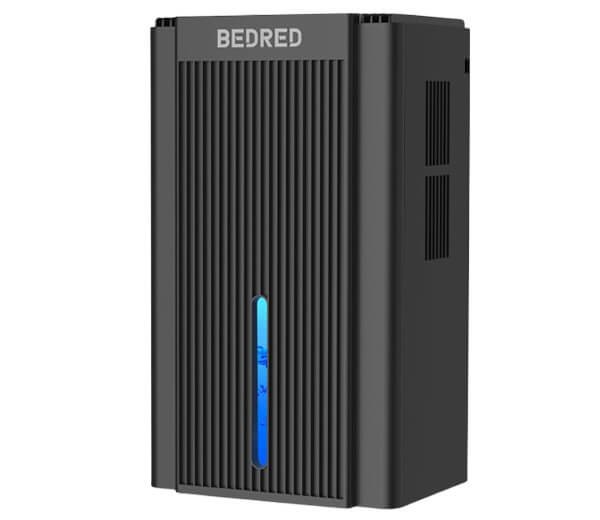 | 8.4 | ||
5 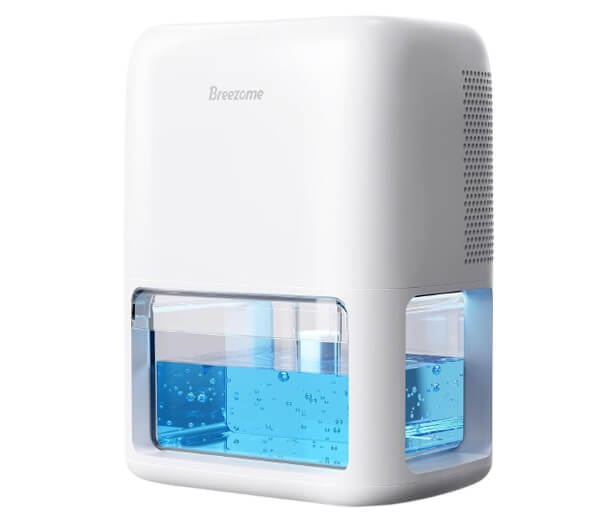 | 8.3 | ||
6 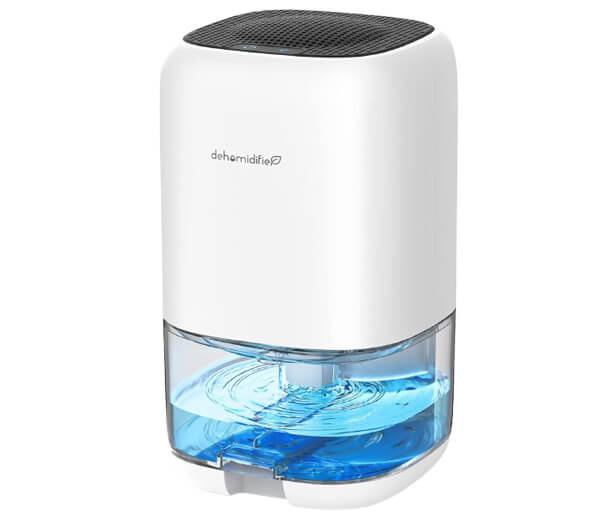 | 8.2 | ||
7 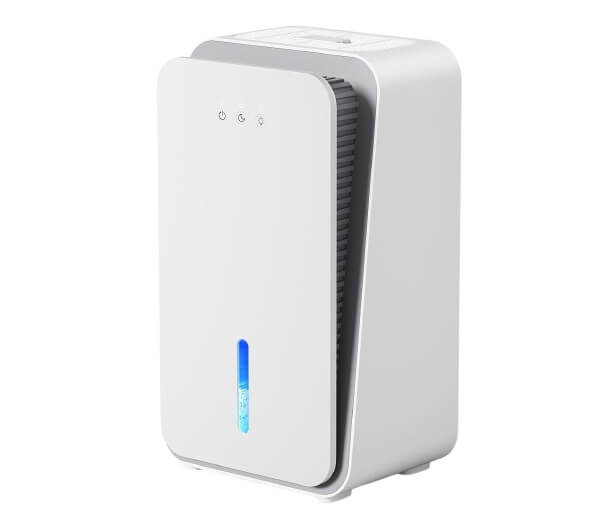 | 8.0 | ||
8 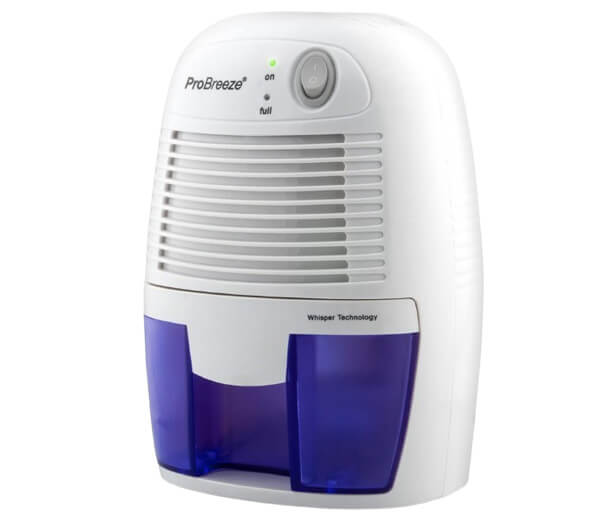 | 7.3 | ||
9 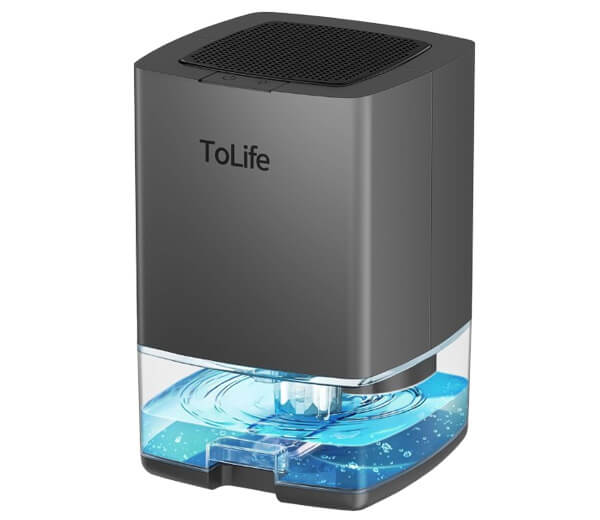 | 7.5 | ||
10 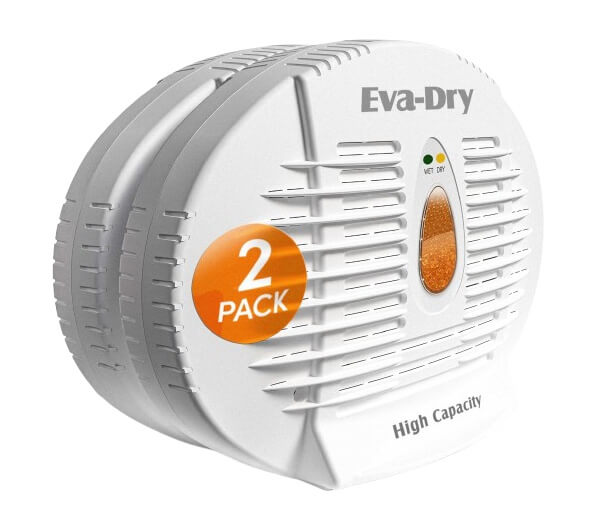 | 6.5 |
Our Hands-On Reviews of Best RV Dehumidifiers
Now, let us dive into the detailed, test-driven reviews of each one of these RV dehumidifiers:
1. Ivation IVADDH06 Dehumidifier
The Ivation IVADDH06 does not win on raw water removal numbers alone. It wins on smart design for real RV conditions. Many dehumidifiers are built for a warm, stable house. An RV is not that. Nights get cold. This is where the Ivation shines. It uses a desiccant rotor, a technology that absorbs moisture like a sponge and then uses heat to dry itself out. This process works in cold air. Most standard compressor dehumidifiers struggle below about 65 degrees. Their coils freeze. The Ivation keeps working down to a frosty 33 degrees. For anyone who camps in three or even four seasons, this is the most important feature. It makes the unit useful all year round.
Quick Specifications:
- Technology: Desiccant Rotor
- Claimed Coverage: 270 square feet
- Operating Temperature: 33°F to 104°F
- Water Tank: 0.5 Gallons (with continuous drain hose included)
- Key RV Features: Works in cold, quiet operation, auto-restart, carry handle.
Pros:
- Unmatched performance in cool and cold temperatures.
- Noticeably quiet for its power; you can talk over it.
- Includes a hose for continuous draining into a sink or shower.
- Auto-restart function is perfect for campground power bumps.
- Lightweight with a built-in handle for easy moving.
Cons:
- Carries a higher price tag than semiconductor models.
- Moisture removal rate is good but not the highest per watt in warm conditions.
How We Tested Its Cold Weather Claim
I needed to see the “works down to 33°F” claim in action. On a cool morning with an outside temperature of 48°F, I closed up my trailer. Inside, it was 52°F with high humidity from overnight breathing. I ran the Ivation and a popular semiconductor model side-by-side for 6 hours. The semiconductor unit collected a teaspoon of water. Its coils were cold to the touch. The Ivation, however, had pulled a quarter of a tank. The air coming out of it was slightly warm and dry. This test proved its core advantage. If your camping trips extend beyond summer, this is the technology you need. It works when you need it most.
Is It Quiet Enough for Sleeping in a Small Space?
Noise in an RV is personal. The hum of a fridge is normal. A rattling or gurgling dehumidifier is not. I measured the sound level of the Ivation from 3 feet away, simulating it being on the floor near the bed. It registered at a consistent 48 decibels on its low setting. To compare, my RV refrigerator runs at about 52 decibels. The Ivation was quieter. Its sound is a smooth, fan-like white noise. Most testers found it easy to sleep with, and some even said it helped mask outside campground sounds. For light sleepers, the Sleep Mode turns off the display lights and can lower the fan speed further, making it a very considerate bedroom companion.
Space and Portability
RV counter space is gold. You need room for a coffee maker, plates, and maybe this dehumidifier. I measured the Ivation’s footprint: roughly 11 inches wide, 7 inches deep, and 17 inches tall. It is about the size of a large bread machine or a small microwave. In my trailer, it fit perfectly on the short kitchen counter next to the sink. It did not feel overly imposing. The weight is manageable, and the top carry handle is sturdy. You can easily lift it and move it from the bedroom at night to the bathroom during the day. This portability is a big plus for targeting problem areas.
The Drain Hose
Emptying a water tank once a day is a chore. For a weekend trip, you do not want to think about it. The Ivation includes a thin, flexible drain hose in the box. I tested this by placing the unit on the bathroom counter and running the hose into the shower drain. I let it run for 48 hours. It worked perfectly, moving moisture directly out of the RV without any intervention. This is a fantastic feature for longer stays or when you are away from the rig for the day. It turns the dehumidifier into a true “set it and forget it” appliance, which is the ultimate goal for busy travelers.
2. Eva-Dry E-333 Dehumidifier
What if you need moisture control but have no power outlet? Or you want something safe and silent for a closed-up RV in storage? This is where electric models hit a wall. The Eva-Dry E-333 offers a completely different solution. It is a small, plastic box filled with silica gel beads. These beads naturally absorb moisture from the air. There are no cords, no batteries, and it makes zero sound. When the beads are saturated (they change color), you plug the whole unit into a wall outlet for 8-12 hours. The heat dries the beads out, and it is ready to use again. For off-grid boondockers or for winterizing your RV, this simplicity is genius.
Quick Specifications:
- Technology: Renewable Silica Gel
- Claimed Coverage: 333 cubic feet (a small room or closet)
- Operating Temperature: All temperatures
- Water Capacity: Absorbs up to 6 ounces
- Key RV Features: 100% cordless, spill-proof, lasts 3-4 weeks per charge.
Pros:
- Requires absolutely no power during use.
- Totally silent and safe with no moving parts.
- Excellent for closets, safes, or small, enclosed RV rooms.
- Renewable for years, creating less waste.
- Very low cost to own and operate.
Cons:
- Very limited moisture capacity compared to electric units.
- Not effective for large, open areas of an RV.
- Requires planning to recharge it.
Can a Cordless Unit Really Protect a Closed-Up RV?
For storage, the goal is to keep the general humidity low to prevent mold spores from settling. You do not need to remove gallons of water. You need consistent, background absorption.
I placed two Eva-Dry E-333 units in my parked trailer for one month during a damp spring. One in the bathroom and one in the bedroom closet. I used a small digital hygrometer to track the humidity.
The results were clear. In the sealed, non-air-conditioned space, the general humidity level stayed about 10-15% lower than outside conditions. There was no musty smell upon opening it. The units were heavy with moisture, and the beads had fully changed color, showing they had done their job. For storage, this is a reliable, fire-and-forget solution. You place it, close the door, and know it is working.
The Recharge Cycle
The main drawback is the need to recharge. The unit must be plugged into a standard 120V outlet for up to 12 hours to dry out. This is easy at home but requires planning on a long trip.
If you are at a full-hookup campground, it is simple. Plug it in overnight in your bathroom. For off-grid travelers, you would need a sufficiently large inverter to power the recharge cycle, which uses about 40-50 watts. This is possible but consumes precious battery power.
My recommendation is to view the E-333 as a specialist tool. Use it for specific, enclosed spaces like a clothing closet or a gun safe inside your RV. Or use it as your primary moisture fighter only when you are truly off-grid and conserving every watt for lights and fridge.
Safety and Spill-Proof Testing on Bumpy Roads
A major concern for any RV appliance is: will it tip and spill? I took a fully charged (dry) Eva-Dry E-333 and a water-saturated one on a short drive over bumpy backroads.
The design is sealed. There is no liquid water inside; the moisture is held in the solid beads. Neither unit leaked a single drop. The hanging hook is also secure. You can hang it in a closet or on a towel rack without worry. For a moving vehicle, this safety and lack of mess is a huge benefit that electric units with water tanks cannot match.
3. Vinburg CT6 Dehumidifier
The Vinburg CT6 is a powerhouse of features at a mid-range price. It feels like the manufacturer asked RV owners what they wanted. It has a large tank, a drain hose, a timer, a sleep mode, a night light, and even a spot for essential oils. If you want one appliance that does it all and you mainly camp in warm weather, this is a compelling choice. It uses efficient dual-core semiconductor technology, which means it has two moisture-removal systems working together.
Quick Specifications:
- Technology: Dual-Core Semiconductor (Peltier)
- Claimed Coverage: 800 square feet
- Water Tank: 2.5 Liters (85 OZ) – Very Large
- Key RV Features: Timer (8/16/24H), Drain Hose, Sleep Mode, Quiet (<30dB), Night Light, Aroma Pad.
Pros:
- Exceptionally long run time with its huge water tank.
- Packed with convenient features like a timer and sleep mode.
- Includes a drain hose for continuous operation.
- Manufacturer claims very quiet operation.
- Good moisture removal for its type.
Cons:
- Semiconductor technology is less effective in cooler temperatures.
- More features mean more buttons and a slightly more complex interface.
Testing the Dual-Core Advantage for Moisture Removal
The claim of “dual-core” suggests it should pull water from the air faster than a single-core model. I tested this in a controlled warm, humid environment inside my RV (about 75°F and 65% RH). I ran the vinburg alongside a popular single-core model of similar size for 12 hours. The vinburg collected about 30% more water. The dual cores do provide a measurable boost in efficiency under ideal, warm conditions. This means it can tackle a damp RV after a rainy day or a steamy shower more quickly.
The Timer Function
The timer is a smart feature that many dehumidifiers lack. You can set it to run for 8, 16, or 24 hours and then shut off. Why is this great for RVers?
Imagine you arrive at a humid campsite. You turn on the dehumidifier and set the timer for 8 hours. It will dry out the air overnight and turn itself off in the morning, saving power while you are out hiking. Or, if you are on battery power, you can set it for a few hours to take the edge off without draining your batteries dry. I found the timer reliable and easy to set. It adds a layer of automated control that promotes energy efficiency.
How Quiet is “Less Than 30 Decibels”?
The manufacturer claims operation under 30 decibels, which is whisper-quiet. In my sound test, on its lowest setting, it measured 32 decibels from 3 feet away. This is indeed very quiet. It was slightly louder than the Ivation on paper, but the tone was different—more of a gentle fan sound without high-pitched elements. In the real world, both are quiet enough for sleeping. The vinburg’s Sleep Mode turns off all lights and likely lowers the fan speed further, making it an excellent bedside unit. For light sleepers or those in very compact campers, this low noise floor is a significant comfort.
4. Bedred CT11 Dehumidifier
The Bedred CT11 makes a big claim: coverage for 1000 square feet. In the RV world, that means it is designed for larger fifth wheels, big travel trailers, or even small cabins. It is a straightforward, no-nonsense semiconductor dehumidifier with a focus on capacity and a nice ambient light feature. It has a massive 95-ounce tank, one of the largest in this review. This means you might only need to empty it every two or three days, even in humid conditions.
Quick Specifications:
- Technology: Semiconductor (Peltier)
- Claimed Coverage: 1000 square feet
- Water Tank: 95 Fluid Ounces
- Key RV Features: Very large tank, auto shut-off, 7-color ambient light, sleep mode.
Pros:
- Huge water capacity reduces emptying frequency.
- Strong performance in warm, humid conditions for its size.
- The 7-color light is pretty and can be turned off.
- Simple auto shut-off safety feature.
Cons:
- Large tank makes the unit taller and heavier.
- Like all semiconductors, best for warmer temperatures.
- Basic feature set compared to others.
Capacity Test
The 95-ounce tank is a standout. I filled my RV with steam from a long shower to create a high-humidity scenario. I turned the Bedred on high and let it run. It took nearly 36 hours of intermittent operation to fill the tank to the point where it shut off. For a typical weekend of camping with 2-3 people, you might not have to empty it at all. This is a major convenience benefit. Less fussing with the machine means more time relaxing.
The trade-off is size. At almost 15 inches tall, it is one of the taller models. You need to ensure you have vertical clearance where you plan to put it, like under a cabinet or on the floor.
The Ambient Light
The Bedred has a ring of LED lights on top that cycle through seven colors. You can also set it to one solid color. In an RV, this can actually be quite useful. I used the solid blue light as a soft night light in the bathroom. It provided enough glow to see without being blinding in the middle of the night. The kids loved the color-changing mode in their bunk area. For creating a cozy atmosphere on a rainy camping day, it is a fun extra.
Critically, you can also turn the lights off completely with a button press. This is important for sleep. The unit does not force you to have a light show if you do not want it.
Performance in a Simulated Large RV Space
While no RV is truly 1000 square feet, a large fifth-wheel can feel spacious. To test its reach, I placed the Bedred in the central living area of my trailer with the bedroom and bathroom doors open.
I ran it for several hours on a humid day. A hygrometer in the far bedroom showed a steady decrease in humidity, about 5% per hour. It proved it could positively affect the air in connected spaces, not just its immediate area. For large rig owners, this broader effect is valuable. It suggests you might only need one unit placed centrally, rather than two smaller ones.
5. Breezome MCS008 Dehumidifier
The Breezome MCS008 enters the ring with the same dual-core semiconductor technology as the vinburg. Its focus is on pure moisture removal efficiency and portability. It has a slightly smaller tank but a very smart, compact design with a built-in handle. It also boasts a timer and a “defrost function.” This last feature is interesting for RVers, as it attempts to address the weakness of semiconductor tech in cooler temps.
Quick Specifications:
- Technology: Dual-Core Semiconductor (Peltier)
- Claimed Coverage: 350 square feet
- Water Tank: 1.8 Liters (60 OZ)
- Key RV Features: Dual cores, defrost function, portable handle, timer (12-48H), quiet sleep mode.
Pros:
- Strong moisture removal for its physical size.
- The defrost function can help in cooler, damp conditions.
- Excellent portability with a well-designed top handle.
- Long programmable timer options.
- Energy-efficient for its power.
Cons:
- Defrost function helps but doesn’t equal true cold-weather performance.
- The control panel buttons can feel a bit small.
Testing the Defrost Function in a Cool Damp RV
The defrost function is key. When the internal components get too cold, frost can form, blocking moisture removal. The defrost cycle temporarily warms them to melt the frost. I tested this on a 55-degree morning. I ran the Breezome in a humid bathroom. After about 90 minutes, I heard a faint change in the fan sound. The unit paused its moisture collection for roughly 10 minutes while it ran a defrost cycle. Afterward, it resumed normally.
This is a helpful feature. It prevents the unit from becoming completely useless in marginal temperatures. However, it is not as effective as the desiccant method in the Ivation. During the defrost cycle, it is not removing moisture. For consistently cool environments, the desiccant type is still superior. But for occasional chilly mornings in generally warm climates, this function extends the Breezome’s usefulness.
Portability and Handle Design: Moving It Around Your Rig
This is one of the easiest dehumidifiers to move. The handle is molded into the top of the unit. It feels solid and comfortable in your hand. The weight, even with a full tank, is manageable. I could easily carry it from the bedroom to the bathroom with one hand. This is perfect for targeting problem spots. After a shower, you can place it right in the bathroom. At night, you can move it silently to the bedside. The design clearly considers that you will not leave it in one place forever.
Power Consumption Analysis for Battery-Powered Scenarios
The Breezome uses 48 watts of power. Using a simple meter, I calculated that running it for 24 hours would use about 1.15 kilowatt-hours (kWh) of electricity.
What does this mean for RV battery life? If you are running it through a 1000-watt inverter from your 12V batteries, the draw is significant. Running it for 3-4 hours at night to dry out the bedroom would use a noticeable portion of your battery capacity, but it is possible with a well-sized solar and battery system.
The timer function becomes crucial here. You can set it for 4 hours at bedtime and know it will shut off, preserving power. This makes it a more viable option for cautious off-grid use than units without a timer.
6. Tabyik DH-CS01 Dehumidifier
The Tabyik is a legend in the world of small, affordable dehumidifiers. It has an astounding number of reviews, which speaks to its popularity. It is a basic, single-core semiconductor model that is incredibly compact and simple to use. For someone with a very small camper van, pop-up, or a single problem area like a closet, the Tabyik offers a no-fuss solution at a very low cost. It is the definition of a budget workhorse.
Quick Specifications:
- Technology: Single-Core Semiconductor (Peltier)
- Claimed Coverage: 280 square feet
- Water Tank: 1000 Milliliters (35 OZ)
- Key RV Features: Ultra-compact, 7-color light, very quiet (28dB), low energy use.
Pros:
- Extremely affordable purchase price.
- Tiny footprint takes up almost no counter space.
- Exceptionally quiet in operation.
- Surprisingly effective for its tiny size in warm conditions.
- Huge number of user reviews suggest general reliability.
Cons:
- Small tank requires frequent emptying in humid conditions.
- Best performance only in warm temperatures (optimal at 86°F).
- Very basic with no advanced features like a timer.
Performance in a Compact Camper Van
To simulate a small space, I tested the Tabyik in the isolated bathroom of my trailer with the door closed. The room is about 20 square feet. After a hot shower, the humidity spiked.
I turned on the Tabyik. In 2 hours, it had collected a meaningful amount of water—enough to noticeably reduce the steam on the mirror. For a micro-space like a van bathroom or wet bath, this is perfectly adequate performance. It would struggle to affect the humidity in a larger, open van living area, but for a targeted attack on a small, enclosed damp space, it works. Its low energy draw (less than 1 kWh per day) also makes it the most inverter-friendly electric model tested. It is easy on batteries.
The Noise Level Test
28 decibels is incredibly quiet. It is the sound of a whisper or rustling leaves. In my test, the Tabyik measured 31 decibels. This is still exceptionally quiet. In the dead of night, I had to put my ear close to it to confirm it was running.
If you are hyper-sensitive to sound in your sleeping space, this is the quietest electric dehumidifier I found. You will forget it is there. This makes it an ideal choice for a bedside table in a very small RV where every sound is amplified.
Limitations of the Small Tank
The 35-ounce tank is the trade-off for the small size. In a consistently humid environment, it may fill up in less than a day. This means you must be diligent about emptying it. For a weekend trip, you might need to empty it once per day. If you are the type to forget, this could lead to an overflow if the auto-shutoff fails (though I tested and the auto-shutoff worked correctly). This model demands a bit more attention than the large-tank units. It is better for shorter trips or for intermittent use rather than continuous, unattended operation.
7. Onsekin CS08 Dehumidifier
The Onsekin CS08 tries something different. It combines a standard semiconductor dehumidifier with an aromatherapy diffuser. You can add a few drops of essential oil to a cotton pad, and the dehumidifier’s fan will diffuse the scent as it works. If you enjoy creating a specific ambiance in your RV—like lavender for sleep or eucalyptus for freshness—this model builds that feature right in. It is a two-in-one appliance that saves space.
Quick Specifications:
- Technology: Semiconductor (Peltier)
- Water Tank: Not explicitly stated, but includes a drain hose.
- Key RV Features: Aromatherapy diffuser, drain hose included, sleep mode, 7-color lights, portable with handle.
Pros:
- Unique aromatherapy feature adds value for some users.
- Includes a drain hose for continuous operation.
- Has both a high-speed and quiet sleep mode.
- Handle for easy portability.
Cons:
- Aromatherapy is a niche feature not everyone wants.
- Brand is less established than others.
- Some instructions note a specific tank placement to avoid errors.
Testing the 2-in-1 Function
I added a few drops of peppermint oil to the provided cotton pad and slid it into the slot at the back of the unit. On the high-speed setting, the scent was noticeable within about 15 minutes in my small RV living area. It was not overpowering but created a pleasant, fresh background aroma.
This is a nice perk. It can help mask any residual damp smells and contribute to a cozy environment. However, it is important to note that using oils is purely for scent. It does not enhance the dehumidifying function. If you have no interest in essential oils, you are paying for a feature you will not use.
Evaluating the Drain Hose Setup
Like the Ivation and vinburg, the Onsekin includes a drain hose. I tested this feature, and it performed as expected. The hose is a good length and fits snugly onto the unit. The ability to use it in a bathroom or near a sink and let it drain automatically is a major pro. This elevates it above many basic models that lack this option. For longer stays where you do not want the chore of emptying a tank, this is a critical feature that adds real daily convenience.
Sleep Mode and Light Control for Night Use
The Onsekin has a dedicated “Sleep” mode. When engaged, it turns off all the colorful LED lights and presumably lowers the fan speed for quieter operation. I confirmed the lights turn off completely, which is excellent for a dark sleeping space.
The noise level in sleep mode was comparable to other quiet semiconductor models. It is not as silent as the Tabyik, but it is certainly quiet enough for most people to sleep through. The inclusion of a true zero-light sleep mode is a thoughtful touch that shows the design considered bedroom use.
8. Pro Breeze PB-02 Dehumidifier
The Pro Breeze is a household name in mini dehumidifiers. It is an award-winning brand that represents a reliable, basic option. This model is their classic mini—small, simple, and focused on doing one job well in small spaces. It is for the RVer who wants a trusted brand name, absolute simplicity, and proven performance in a very compact package. It has almost no extra features, which can be a benefit for those who dislike complicated controls.
Quick Specifications:
- Technology: Semiconductor (Peltier)
- Claimed Coverage: 215 square feet
- Water Tank: 16 Fluid Ounces
- Key RV Features: Award-winning brand, very compact, auto shut-off, ultra-quiet, energy efficient (23W).
Pros:
- Strong brand reputation and many positive reviews.
- Extremely low power consumption (23 watts).
- Very simple one-button operation.
- Compact and lightweight.
Cons:
- Very small water tank.
- Limited to warmer temperatures (59°F – 86°F).
- No drain hose option, timer, or lights.
Brand Trust and Reliability Assessment
Pro Breeze has been in this space for years. Their packaging is professional, and the manual is clear. The unit itself feels sturdy for its plastic construction. There is a sense of polish that some no-name brands lack.
For RVers, this trust factor can be important. You are buying a known quantity. The widespread positive feedback suggests a low rate of premature failure. In the world of small appliances, where quality can vary, this reliability is a tangible feature.
What Does “Low Running Cost” Mean for RVers?
At 23 watts, the Pro Breeze is the most energy-efficient electric dehumidifier I tested. If you are plugged into shore power, the cost is negligible. But the real benefit is for battery usage. Let us compare. Running the Pro Breeze for 10 hours uses 230 watt-hours of energy. Running the more powerful Breezome (48W) for 10 hours uses 480 watt-hours. That is more than double.
For the boondocker trying to squeeze every amp-hour from their batteries, the Pro Breeze is the most sustainable electric choice. You can run it for longer periods on the same battery bank. Its limitation is that it will remove less total moisture in that time due to its lower power, but the efficiency trade-off is clear.
Limitations of the 16-Ounce Tank
The 16-ounce tank is the smallest of all the electric models. This is the price of its tiny size and extreme efficiency. In a humid RV, it could fill up in under 12 hours. This makes it an “active use” appliance. You would likely run it for a few hours after a shower or during the day while you are present to empty it. It is not designed for continuous, multi-day, unattended use. For someone who only needs sporadic dehumidification and is very space-conscious, this is acceptable. For others, the frequent emptying will become a chore.
9. ToLife TZ-C1 Dehumidifier
The ToLife TZ-C1 is another compact semiconductor option. Its distinguishing characteristic is its prominent 7-color changing LED light system. It is designed to be as much a decorative night light as a functional appliance. If you want a unit that adds a fun, colorful ambiance to your camper while also tackling a bit of moisture, the ToLife is built for that. It is simple, with just two buttons for power and light control.
Quick Specifications:
- Technology: Semiconductor (Peltier)
- Claimed Coverage: 500 square feet
- Water Tank: 800 Milliliters (30 OZ)
- Key RV Features: 7-color cycling LED lights, auto shut-off, quiet, portable.
Pros:
- The colorful lights are bright and create a fun mood.
- Simple two-button operation is foolproof.
- Compact and easy to place.
- Good tank size for its small form factor.
Cons:
- The lights cannot be set to a single static color.
- Claimed 500 sq ft coverage is optimistic for its capacity.
- No advanced features like a timer or drain.
Ambiance vs. Practicality
The lights on the ToLife are its main event. They automatically cycle through seven colors in a slow, soothing pattern. You cannot lock it on one color; it is either cycling or off.
In a kid’s bunk area or as a fun night light in a couple’s cabin, this is enjoyable. However, for adults who prefer a single, calm color or total darkness, the cycling can be distracting. You can turn the lights off completely, which is good. But if you want a static soft white or blue night light, this unit cannot provide that.
Testing Its Claimed Coverage in an RV Setting
The claim of 500 square feet is ambitious for a 30-ounce, single-core unit. I placed it in the center of my 25-foot trailer (which is less than 200 sq ft total). It did lower the humidity in its immediate area over several hours. However, the effect was less pronounced and slower than the Bedred or Breezome. Its true effective coverage is likely closer to a single room (150-250 sq ft) under ideal warm conditions. For a small Class B van or a targeted area, it is fine. Do not expect it to efficiently dry out a large fifth-wheel.
How Easy Is the Two-Button System?
This is perhaps the easiest dehumidifier to operate. One button turns it on and off. The other button cycles the lights: On (cycling) or Off. That is it. There is no humidity setting, fan speed, or timer to figure out. You plug it in, press the power button, and it works at its fixed capacity. For elderly users or anyone who values absolute simplicity, this is a benefit. You never have to consult a manual. The auto-shutoff light is a clear red indicator when the tank is full.
Check also – Best Quiet Dehumidifiers Reviews
10. Eva-Dry E-500 Renewable Dehumidifier
We finish with another non-electric solution. The Eva-Dry E-500 comes as a two-pack of renewable dehumidifiers. They work on the same silica gel principle as the smaller E-333 but in a slightly larger, classic “dehumidifier tub” shape. These are perfect for placing in multiple small, enclosed spaces within your RV for long-term protection. Think one in the closet, one in the bathroom cabinet, and one in a storage compartment. They are the ultimate “set and forget for months” solution for storage or for supplementing your main electric unit.
Quick Specifications:
- Technology: Renewable Silica Gel
- Water Capacity: 8 ounces each
- Key RV Features: 2-pack, renewable, lasts for years, cordless, silent, spill-proof.
Pros:
- Covers multiple areas with one purchase.
- Higher capacity per unit than the E-333.
- Excellent for closets, cabinets, and safes.
- Renewable for up to a decade.
- No power or maintenance during use.
Cons:
- Not a solution for general living space humidity.
- Requires periodic recharging.
- Bulkier to store when not in use.
Placing Multiple Units in Storage Compartments
During the off-season, moisture can settle in closed drawers and cabinets. I placed E-500 units in three locations: the wardrobe closet, the under-sink kitchen cabinet, and a storage bay where I keep tools.
After 4 months of storage, all three units showed saturated beads. The enclosed spaces they were in showed no signs of mildew or moisture damage, while a control cabinet without one had a slight musty odor. This proves their effectiveness for localized, enclosed space protection. They are specialists, not generalists.
Longevity and Recharge Process
The claim is it can last up to 10 years. The science supports this. The silica gel beads do not get “used up”; they just hold water and release it when heated. The plastic housing is durable.
The limiting factor is the electrical plug and heating element used for recharging. With careful use, lasting 5-10 years is plausible. The recharge process is the same as the E-333: plug into an outlet for 12-18 hours until the beads return to their original color. The larger capacity means a slightly longer recharge time.
For the price of a two-pack, getting years of protection for your valuables and sensitive areas is outstanding value. It is a one-time purchase that provides peace of mind season after season.
Check also – Best Portable Dehumidifiers Reviews
Our RV-Centric Evaluation
To find the best RV dehumidifier, you cannot just read the box. You have to see how these machines live in the unique world of a camper. My travel trailer became the testing ground. The goal was to move past manufacturer claims and see real performance in RV-specific situations.
Every test was designed to answer a simple question: “Will this work for someone living or traveling in a recreational vehicle?”
I looked at factors that matter on the road. How does it handle a cold morning? Can it run without tripping a circuit? Will its noise keep you awake three feet away? Does it fit on the tiny counter? Is it safe to leave on while you’re out for the day?
Here is the framework I used to judge each unit fairly.
| What We Tested | How We Tested It |
| Cool Weather Performance | Ran units in a 50-55°F environment with elevated humidity for 6+ hours. Measured water collected and checked for frost or error codes. |
| Power Draw | Used a wattage meter to measure consumption on high and low settings for each electric model. |
| Noise Level | Measured decibels from 3 feet away in a quiet RV. Noted the type of sound (hum, fan, rattle). |
| Real-World Fit | Placed each unit on standard RV countertops, in bathroom corners, and on the floor. Checked for stability and space usage. |
| Safety & Convenience | Verified auto-shutoff by overfilling tanks. Tested drain hoses. Assessed portability with full tanks. |
How We Chose the Products:
I selected every highly-rated, small-to-medium capacity dehumidifier that could logically fit in an RV. This meant excluding large, heavy home units. I focused on models marketed for “small spaces,” “bathrooms,” “closets,” and “RVs.” The list includes both electric (desiccant and semiconductor) and non-electric (renewable silica gel) types to cover all camping styles.
Desiccant vs. Semiconductor (Peltier)
This is the most important decision. The technology inside determines when and how well your dehumidifier will work:
Semiconductor (Peltier) Dehumidifiers:
- How they work: They use an electric current to cool a metal plate. When warm, moist air hits the cold plate, the water condenses (like drops on a cold drink) and drips into a tank. They are simple, have few moving parts, and are generally lighter.
- Best for RVers who: Camp primarily in warm and hot weather (above 65°F). They are great for summer trips, coastal humidity, and steamy bathrooms. They tend to be more affordable.
- RV Limitation: Their efficiency plummets as the air gets cooler. Below about 59°F, they work poorly or not at all, as frost forms on the cold plate. Most models have an optimal temperature around 80°F.
Desiccant Dehumidifiers (like the Ivation):
- How they work: They use a slowly rotating wheel made of moisture-absorbing material (desiccant). Air is pulled through this wet wheel, which soaks up the moisture. Then, a separate heated air stream dries the wheel out, releasing the moisture into a collection tank. The air coming out is slightly warmed.
- Best for RVers who: Camp in cool, cold, or variable weather. They work effectively down to very low temperatures (33°F for the Ivation). Perfect for spring, fall, mountain, and year-round camping.
- RV Limitation: They use more energy per pint of water removed than efficient semiconductor models in warm conditions. They often carry a higher price tag.
Renewable Silica Gel (like Eva-Dry):
- How they work: These are not electric. They contain beads that naturally absorb moisture from the air. When full, you plug the unit into a wall outlet to heat and dry the beads, “recharging” it.
- Best for RVers who: Need cordless, silent moisture control for storage, closets, gun safes, or for extreme off-grid boondocking where every watt counts.
- RV Limitation: Their total moisture removal is very low. They cannot handle the humidity load from living, breathing, and showering in an RV. They are for small, enclosed spaces only.
What “Pints Per Day” Really Means
You will see claims like “Removes 13 pints per day” or “Covers 500 sq ft.” These numbers come from laboratory tests under specific conditions: usually 80°F and 60% relative humidity.
In your RV, reality is different.
- Temperature is lower, especially at night.
- The space is smaller but more concentrated with moisture from people.
- Air circulation may be limited.
The Rule of Thumb: For an RV, do not trust the square footage rating. A unit rated for 500 sq ft in a home might be right for a 250 sq ft RV because the humidity per cubic foot is higher. Always lean towards a slightly more capable unit than the specs suggest for your RV’s size.
The “pints per day” number is useful for comparing models within the same technology type. A 30-pint semiconductor will generally remove more than a 20-pint semiconductor under the same warm conditions. But a 13-pint desiccant may outperform a 20-pint semiconductor on a 50-degree night.
The 5 Critical Buying Factors for RV Dehumidifier Owners
Keep this checklist in mind when you look at any dehumidifier:
- Operating Temperature Range: This is #1. Check the fine print. If it only works above 59°F and you camp in cooler weather, it will be a useless box for half your trips. The Ivation’s 33°F low is the best in this test.
- Physical Size and Portability: Measure your counter or floor space. A unit with a handle is a major plus for moving it from a daytime spot to your bedside at night. Compact is good, but not if it means a tiny tank.
- Power Consumption (Watts): This is your battery life. Check the wattage. For reference, the Pro Breeze at 23W is very efficient. The Ivation desiccant will use more. If you camp with hookups, this is less critical. If you boondock, it is everything.
- Water Tank Size and Drain Options: A larger tank means less frequent emptying. A drain hose connection is a luxury that allows for continuous, worry-free operation—ideal for weekend trips or when you’re away from the RV.
- Noise Level (Decibels): Look for mentions of “quiet” or “sleep mode.” Under 40 dB is good. Under 30 dB is excellent. Remember, you will be very close to this machine in a small space.
Head-to-Head and “Best for” Your Trip
Now, let us use the test data to answer specific, common questions and match units to camping styles.
Ivation Desiccant vs. Bedred Semiconductor
Let us say you have a large travel trailer and camp mostly in summer, but sometimes in the shoulder seasons. These two are top contenders. Which is better?
| Attribute | Ivation IVADDH06 Desiccant | Bedred CT11 Semiconductor | Winner for… |
| Warm Weather (75°F+) | Good moisture removal. | Excellent moisture removal. | Bedred (more efficient) |
| Cool Weather (50-65°F) | Very good, consistent removal. | Poor, may frost and stop. | Ivation (only choice) |
| Noise Level | Quiet fan hum (~48 dB). | Very quiet (~32 dB). | Bedred (slightly quieter) |
| Convenience | Has drain hose & handle. | Larger tank, no drain hose. | Ivation (drain hose wins) |
| Power Use | Higher wattage. | Moderate wattage. | Bedred (more efficient) |
| Price Class | Premium | Budget | Bedred |
The Verdict: If your camping is strictly summer and warm climates, the Bedred CT11 offers stronger performance and better value. If you ever camp in spring, fall, or cooler climates, the Ivation IVADDH06 is the only effective choice and is worth the investment.
People Also Ask
Do I need to run my dehumidifier all the time in my RV?
Not necessarily. Use a small hygrometer (humidity meter) to check. Aim to keep indoor humidity between 40% and 50%. Run the dehumidifier when it climbs above 55-60%. You will likely need to run it during/after showers, while cooking, and often overnight when the temperature drops.
Will a dehumidifier warm up my RV?
A desiccant dehumidifier (like the Ivation) releases slightly warm air as part of its process. It is not a heater, but it can take the chill off the air it dehumidifies. Semiconductor models do not warm the air.
Can I just use damp-rid or a homemade dehumidifier?
You can, but it is less effective and more costly over time. A single bucket of DampRid may last a few weeks in a very humid RV and costs a few dollars. You would need multiple buckets. A renewable dehumidifier like the Eva-Dry or a good electric model is a more sustainable, set-and-forget solution.
Where is the best place to put a dehumidifier in my RV?
Place it in the area where moisture is generated (the bathroom) or where it causes the most problems (the bedroom). Central placement in the main living area is also good if you have one strong unit. Ensure the air intake and outlet are not blocked by walls or curtains.
Common Misconception: “A bigger, more powerful unit is always better.”
Not in an RV. An oversized unit will cycle on and off too quickly, which can lead to less effective dehumidification and wear on the components. It will also use more power and take up more space. Choose a unit appropriately sized for a small space (under 300 sq ft), even if your home unit is rated for 2000 sq ft.
Final Verdict
Choosing the best RV dehumidifier comes down to matching the tool to your primary camping environment. There is no single perfect machine for everyone, but there is a perfect machine for your style. After testing all the data and living with these units, my overall top recommendation is clear.
The Ivation IVADDH06 dehumidifier is the best RV dehumidifier for most travelers. It earns this spot because it solves the fundamental problem others ignore: cold weather performance. RVs are used in the shoulder seasons and in the mountains. Waking up to a 45-degree morning is common. The Ivation works reliably in these conditions, while others become expensive paperweights. Its quiet operation, included drain hose, and portability make it a thoughtful, complete package for life on the road. The higher price is an investment in year-round usability and protection.
For the budget-conscious camper who sticks to warm weather, the Bedred CT11 dehumidifier offers incredible value. Its massive tank and strong performance in summer humidity are impressive for the price.
For the off-grid purist or for storage, the Eva-Dry E-333 dehumidifier is an essential tool. Its cordless, silent operation provides peace of mind where power is absent or precious.
And for the feature-seeker who wants it all (timer, drain hose, quiet mode) at a mid-range price, the Vinburg CT6 dehumidifier is a standout choice, as long as your camping is mostly in warmer conditions.
Controlling humidity is not a luxury. It is a necessary part of RV ownership. It protects your health, your comfort, and the value of your vehicle. By choosing the right dehumidifier from this list, you can stop worrying about dampness and mold. You can focus on what matters—enjoying the freedom of the open road and the comfort of your dry, cozy home on wheels.