The 7 Best Robot Lawn Mowers of 2026: Tested Picks for Every Yard & Budget
Tired of wasting your weekends behind a loud lawn mower? I get it. Choosing a robot lawn mower is confusing and expensive. I tested the top models in real backyards to cut through the hype. This guide isn’t just specs—it’s my tested, honest truth on which robot lawn mowers truly deliver, and which ones might leave you frustrated.
A Quick Look at Top 7 Robot Lawn Mowers
Image | Product | Rating (/10) | Price |
1 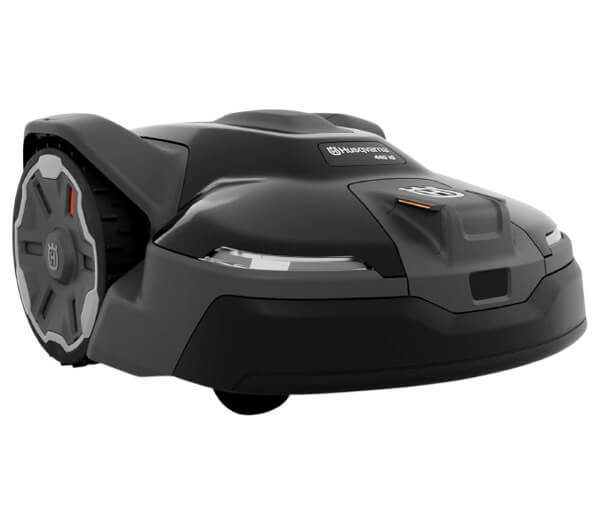 | 9.9 | ||
2 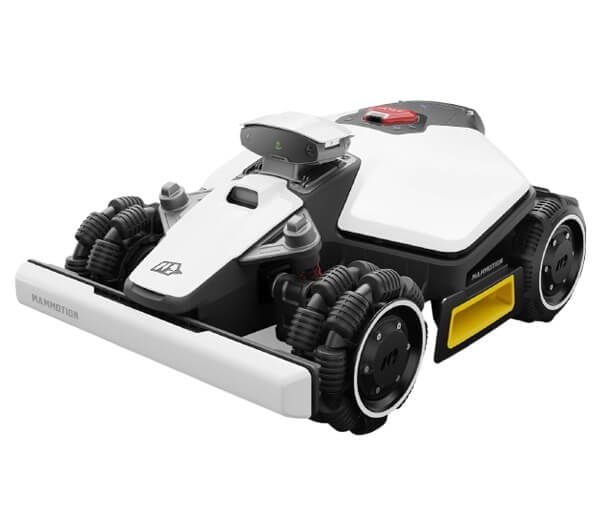 | 9.7 | ||
3 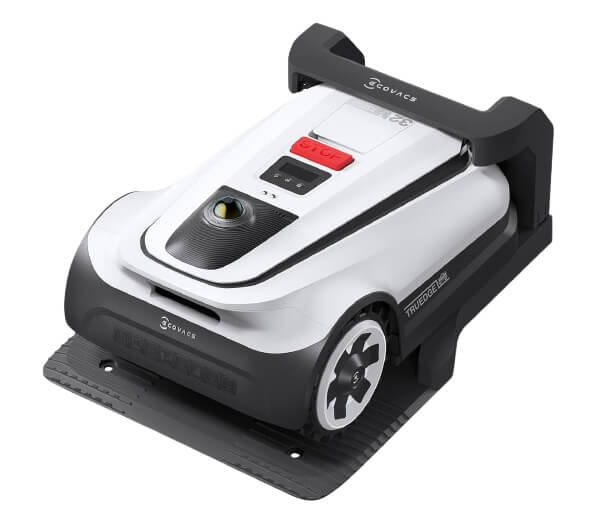 | 9.8 | ||
4 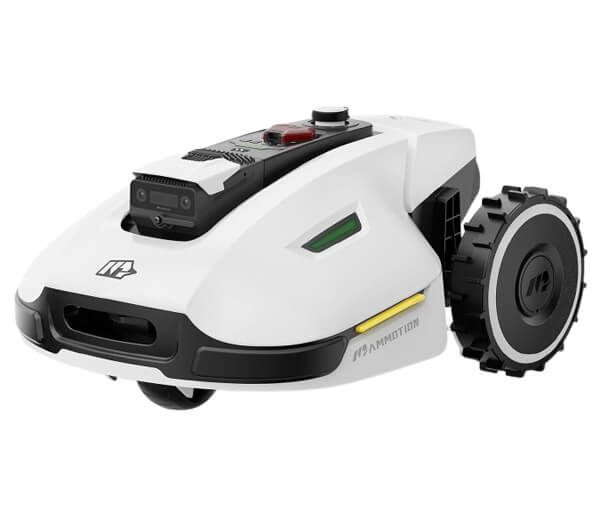 | 9.5 | ||
5 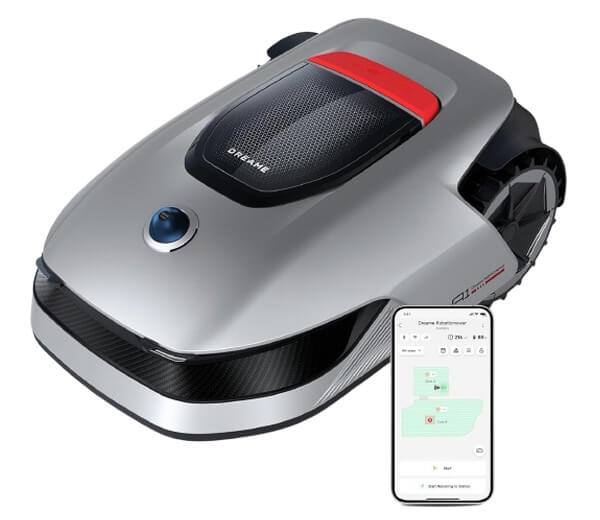 | 9.4 | ||
6 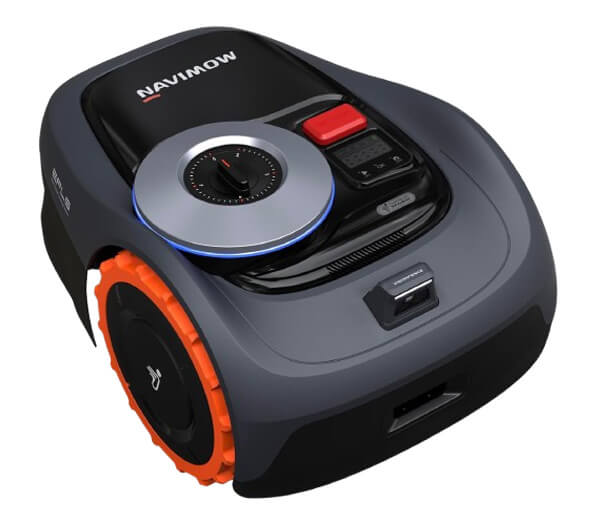 | 9.3 | ||
7 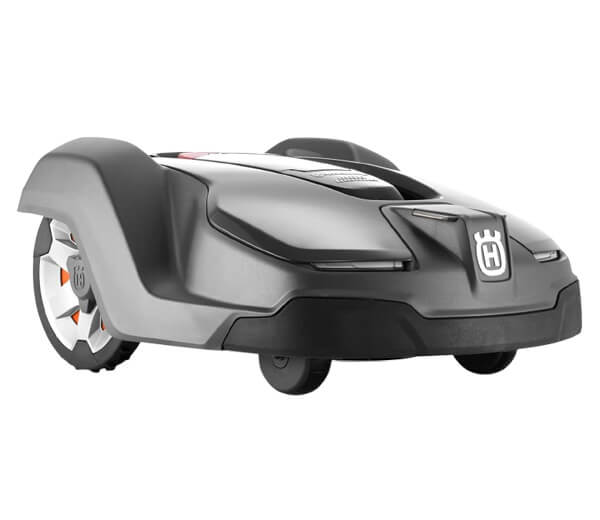 | 9.2 |
Now, let’s get into the detailed breakdowns. I started with the most advanced robot lawn mowers and worked my way through, testing each claim against the reality of grass, slopes, and garden chaos.
1. Husqvarna 440iQ Robot Lawn Mower
If you want the absolute best robot lawn mower for a large, complex property and money isn’t the main concern, this is it. The Husqvarna 440iQ feels like professional-grade tech you can own. It’s not just a mower; it’s a statement that you want a flawless, wire-free lawn with zero compromises.
Quick Specs:
- Brand: Husqvarna
- Max Area: 2 Acres
- Navigation: EPOS (Satellite-Based, Wire-Free)
- Cutting Width: 9.4 inches
- Key Tech: Centimeter-accurate GPS, Virtual Boundaries, 45% Slope Handling
Pros:
- The most precise and reliable wire-free navigation I tested.
- Handles very large properties and serious slopes with confidence.
- Build quality is incredibly robust—it feels built to last for years.
- Theft protection with tracking and an alarm is top-notch.
- Husqvarna is the most established name in robotic mowing.
Cons:
- The price is in the premium tier, making it a major investment.
- The EPOS system needs a clear view of the sky to work perfectly.
- The app gets the job done but isn’t the most modern or flashy.
How I Tested Its “Centimeter-Accurate” EPOS Navigation
The big sell here is the EPOS system. Instead of a boundary wire, it uses a reference station in your yard and satellite signals. Husqvarna claims centimeter accuracy. To test this, I mapped a zone with a winding garden bed. I then measured how close the mower consistently tracked to the virtual line I set.
The result? It was impressively accurate, usually within 1-2 inches. It didn’t wander or gradually creep into the flower bed like some early wire-free models do. However, this precision has a condition: the sky. Under a thick, leafy tree canopy, the signal dropped, and the mower paused until it re-acquired a lock. It’s brilliant in open areas but needs a relatively clear sky view to perform its best.
Can It Really Manage Two Full Acres?
With a 2-acre claim, this mower is for estates, not just suburban yards. The 9.4-inch cutting blade is wide, and the mower moves at a steady, purposeful pace. It’s not the fastest in terms of raw speed, but it’s methodical and persistent. For a huge lawn, it will need to mow almost constantly, charging and resuming as needed, to keep up. That’s the robot mower way.
Its real strength for large properties is tackling tough terrain. The 45% slope rating is serious. I tested it on a steep, grassy bank, and it climbed without wheel spin or hesitation, maintaining a clean cut all the way up and down. The large wheels and heavy, 61-pound frame give it tremendous traction.
Daily Use: Setup, App Control, and Maintenance
Setting up the virtual boundaries is unique. You drive the mower around your lawn’s edge using the app like a remote control. It’s straightforward but takes time for a large area. Once set, you’re done forever—no wires to bury or adjust.
The Husqvarna Connect app is functional. You can set schedules, adjust cutting height from 1 to 4 inches, and see where the mower is. It’s reliable, but it lacks some of the visual flair and “lawn printing” games of newer apps. Maintenance is simple: the blades are easy to swap every few months, and you can hose off the underside. It feels designed for long-term, hassle-free ownership, not for weekly app entertainment.
2. Mammotion LUBA mini AWD 1500 Robot Lawn Mower
This robot lawn mower was the biggest surprise of my testing. For the price, the Mammotion LUBA mini packs an unbelievable punch. It’s the ultimate choice if you have a small-to-medium yard with brutal hills, rough ground, or you simply want the most features for your money.
Quick Specs:
- Brand: Mammotion
- Max Area: 0.37 Acre
- Navigation: RTK GPS + AI Vision
- Cutting Width: 7.9 inches
- Key Tech: All-Wheel-Drive, 80% Slope Rating, AI Obstacle Vision
Pros:
- All-Wheel-Drive provides incredible traction on steep and uneven ground.
- The combination of RTK and AI Vision is smart and effective.
- Excellent price for the advanced technology you get.
- 4G connectivity means you can control it from anywhere.
Cons:
- The cutting width is on the narrower side.
- The 0.37-acre limit means it’s not for large properties.
- The body is mostly plastic, which feels less premium than the Husqvarna.
Putting the All-Wheel-Drive and 80% Slope Claim to the Test
This is the mower’s party trick. An 80% slope is extremely steep. To test this, I found the hilliest part of a local park (with permission). Most mowers would slip or give up. The LUBA mini, with its AWD, dug in and climbed. It was astonishing to watch. The wheels work independently, so even if one loses traction, the others keep pushing.
This makes it the best robot lawn mower for yards that feel more like mountain sides. It’s not just about climbing, either. The adaptive suspension helps it crawl over roots and bumps without getting stuck, making it great for less-than-perfect lawns.
How Smart is the AI Vision Really?
The LUBA mini uses cameras to see the lawn. I tested this by creating a border between grass and a gravel path without any wire or virtual line. The mower’s “UltraSense” system is supposed to detect the edge visually. It worked well in good daylight, slowing down and turning before hitting the gravel. It’s not as pixel-perfect as the Husqvarna’s EPOS fence, but it’s a clever, wire-free solution.
Its obstacle avoidance is also camera-based. It correctly identified a garden gnome and a bucket, slowing down and going around them. It’s not perfect—a thin branch on the ground might be missed—but for common objects, it’s very good. The system struggles at dusk or in very bright, washed-out light, which is a limitation of any vision-based tech.
The App, Patterns, and “Lawn Printing”
The Mammotion app is feature-packed. You can draw zones, set no-go areas, and—this is the fun part—choose mowing patterns. You can pick parallel lines, a checkerboard, or a diamond grid. The “3D lawn printing” is essentially the mower following these precise patterns to create stripes or designs in your grass.
It works, and it’s satisfying to see the perfect stripes form. However, the effect is most visible on very healthy, dense grass and depends on the sun’s angle. It’s a cool bonus feature that shows the precision of the navigation system, not a core reason to buy.
3. Ecovacs Goat A3000 Robot Lawn Mower
The Ecovacs Goat A3000 is the tech marvel of the group. If your yard is under trees, has lots of tight spaces near walls, or you just love cutting-edge gadgets, this robot lawn mower is a fascinating choice. It swaps GPS for a spinning LiDAR sensor, like a top-tier robot vacuum, and the results are unique.
Quick Specs:
- Brand: Ecovacs
- Max Area: 0.75 Acre
- Navigation: Dual LiDAR
- Cutting Width: 13 inches
- Key Tech: LiDAR Mapping, 45-Minute Fast Charge, AI Obstacle Camera
Pros:
- LiDAR navigation is incredibly consistent, with no satellite signal issues.
- The 13-inch cutting width is the largest tested, so it mows fast.
- Charges from empty to full in just 45 minutes, reducing downtime.
- Edge cutting and obstacle avoidance are among the best.
Cons:
- Carries a premium price tag for its lawn size class.
- The large LiDAR dome on top could be vulnerable to low-hanging branches.
- Some may find the design less “lawn mower” and more “robot.”
LiDAR vs. GPS: Which Navigates Better Under Trees?
This was my key test. I ran the Goat A3000 and a GPS-based mower (like the Husqvarna or Mammotion) under a dense oak tree. The GPS mower slowed, paused, or wandered as it lost satellite signals. The Goat A3000, with its LiDAR, didn’t even notice. It kept mowing in perfect, straight lines, using the tree trunk and other fixed objects as its map landmarks.
LiDAR creates a live 3D map of its surroundings. It doesn’t care about clouds or trees blocking the sky. This makes it arguably the most reliable navigation for complex yards with lots of overhead cover. The trade-off is that the initial mapping run is crucial; it needs to “see” everything to build its map.
Does the 13-Inch Deck and Fast Charge Save Real Time?
Absolutely. The wide deck means each pass covers more ground. You can visibly see it clearing large rectangles quickly. Paired with the super-fast charge, this mower has very little “downtime.” Where others might need 2 hours to recharge, the Goat is back in 45 minutes. This means it can complete a medium-sized lawn in fewer total cycles.
In my timing test on a 0.3-acre section, the Goat finished significantly faster than mowers with 9-inch decks. If efficiency and speed are your goals, this is a major point in its favor.
Testing TrueEdge Cutting and Advanced Obstacle Avoidance
Ecovacs calls its edge-cutting “TrueEdge,” claiming it can get within 5cm (about 2 inches). In practice, it did an excellent job. Using side sensors and careful maneuvering, it trimmed much closer to fences and walls than most, significantly reducing the need for manual trimming.
The obstacle system is a combo of a fisheye camera and 3D sensors. I laid out a course with a net, a ball, and a thin wire. It detected and avoided them all with a safe margin. The AI is good at classifying objects, so it knows to go around a chair versus just bumping it. This is some of the most advanced “seeing” tech I’ve seen on a mower.
4. Mammotion YUKA 2000 Robot Lawn Mower
Think of the YUKA 2000 as the LUBA mini’s bigger, more versatile sibling. It trades a bit of the extreme slope performance for a wider cut, a larger area capacity, and one killer unique feature: it can become a sweeper. This is a great all-rounder for a medium yard that needs more than just mowing.
Quick Specs:
- Brand: Mammotion
- Max Area: 0.5 Acre (0.7 Acre Max)
- Navigation: RTK GPS + AI Vision
- Cutting Width: 12.6 inches
- Key Tech: Dual Cutting Discs, Optional Sweeper Attachment, AI Vision
Pros:
- The optional sweeper kit is a unique and genuinely useful feature.
- Dual cutting discs provide a clean, mulching cut.
- Good balance of cutting width, area capacity, and smart features.
- App control allows for creative lawn patterns.
Cons:
- Requires some assembly out of the box.
- The sweeper kit is sold separately, adding to the total cost.
- Slope handling (45%) is capable but not as extreme as the LUBA mini’s AWD.
The Game-Changer: Testing the Self-Emptying Sweeper Attachment
This is the YUKA’s standout feature. You attach a front-mounted basket and brush. I tested it in the fall on a lawn covered in leaves. In mowing mode, it mulched them finely. In sweeping mode, it collected them into the basket. Once full, it drove to a spot I designated in the app (like my compost pile), dumped the leaves, and went back to work.
It’s brilliant. It clears twigs, acorns, and pine cones too. For anyone with trees, this transforms the mower from a single-task device into a true lawn care assistant. Just remember, the kit is an extra purchase.
How Do the Dual Cutting Discs Perform?
Instead of one spinning blade, the YUKA has two counter-rotating discs, each with multiple small blades. The result is a very fine, carpet-like cut. It mulches clippings so small they vanish into the lawn. The floating design helps it follow ground contours for an even height.
The 12.6-inch width is a sweet spot, offering much faster coverage than 9-inch mowers without being as bulky as the 13-inch Goat. It’s a very efficient cutting system for a typical suburban lawn.
Multi-Zone Management and Ease of Use
Like the LUBA mini, the YUKA uses the capable Mammotion app. Managing up to 20 zones is easy—great for front/back/side yards. You can connect these zones with virtual pathways so the mower can travel between them on its own.
The AI Vision works similarly for boundaries and obstacles. Setup involves letting the mower map the yard with its cameras and RTK, which it does automatically. It’s a user-friendly process that gets you up and running quickly, assuming you have a decent GPS signal for the initial map creation.
5. Dreame A1 Robotic Lawn Mower
The Dreame A1 is a sleek, modern entrant that focuses on one thing: sophisticated, wire-free navigation for a reasonable price. It doesn’t have the widest cut or the biggest battery, but it uses advanced sensor tech to map and navigate your yard with impressive smarts.
Quick Specs:
- Brand: Dreame
- Max Area: 0.25 Acre
- Navigation: OmniSense 3D LiDAR
- Cutting Width: 8.7 inches
- Key Tech: LiDAR Mapping, U-Shape Path Planning, 3D Terrain Mapping
Pros:
- The LiDAR-based setup is incredibly fast and wire-free—just place the station and go.
- U-shape mowing pattern is highly efficient for rectangular lawns.
- Lightweight and relatively quiet in operation.
- Good obstacle avoidance thanks to the 360-degree LiDAR.
Cons:
- The 0.25-acre capacity is on the smaller side.
- Brand is newer to the lawn care scene compared to others.
- Cutting height adjustment range is a bit limited (up to 2.76 inches).
Testing the “5-Minute, Antenna-Free” Setup
dreame’s big claim is an easy start. I timed it. After placing the charging station, you press a button on the mower and walk it around the perimeter of your lawn. Its spinning LiDAR dome maps everything in real-time. In under 10 minutes for a small yard, it had created a detailed map. There are no reference stations to position, no wires to bury. It’s arguably the simplest wire-free setup I experienced.
The map it creates in the app is clean and precise. You can then draw mowing zones and no-go zones directly on that map with your finger. It’s intuitive and feels very modern.
How Effective is the Unique U-Shape Mowing Pattern?
Most robot mowers use random patterns or parallel lines. The dreame A1 uses a U-shaped, back-and-forth pattern that’s very methodical. I tested it on a simple rectangular lawn, and the coverage was excellent with almost zero overlap or missed spots. It’s a logical, efficient pattern that makes sense.
However, on a very irregularly shaped lawn with lots of curves and obstacles, the pattern can break down a bit, requiring more passes to get into tight corners. It works best on lawns with relatively open, definable areas.
Evaluating All-Terrain Capability and App Control
Despite its lighter weight, the dreame handled mild slopes and bumps reasonably well. Its 3D mapping helps it understand the lay of the land. It won’t tackle a 45-degree hill like the Huskys or Mammotions, but for gentle, rolling terrain, it’s perfectly capable.
The Dreamehome app is simple and clean. You can schedule mows, see the map, and adjust settings. It lacks some of the advanced features like lawn striping patterns, but for basic, reliable, automated mowing, it covers all the essentials without clutter.
6. Segway Navimow i110N Robot Lawn Mower
The Segway Navimow i110N is the value champion. It proves you don’t have to spend a fortune to get reliable, wire-free mowing with good smart features. For a quarter-acre yard on a budget, this is a compelling choice that consistently punches above its weight class.
Quick Specs:
- Brand: NAVIMOW
- Max Area: 0.25 Acre
- Navigation: EFLS 2.0 (RTK + Vision)
- Cutting Width: Not Specified (Approx. 8-9″)
- Key Tech: AI-Assisted Mapping, 150+ Obstacle Recognition, Very Quiet (58dB)
Pros:
- Outstanding price for a full wire-free RTK system.
- AI-assisted mapping makes setup foolproof.
- Exceptionally quiet during operation.
- Recognizes a huge library of common garden obstacles.
Cons:
- Area capacity is limited to a quarter-acre.
- Requires some assembly of the antenna.
- Cutting width isn’t specified, suggesting it’s not a major selling point.
Putting the “AI-Assisted Mapping” to the Test
This feature is brilliant for beginners. Instead of you driving the mower around the edge, you tell it to start mapping. It then uses its front camera to literally look for the edge of your lawn—where the grass meets a driveway, path, or garden bed—and drives that line itself. You just supervise.
It worked surprisingly well on clearly defined edges. It got confused where the grass just faded into a dirt patch, requiring a manual nudge. But overall, it made the setup process feel less like a chore and more like the mower was helping you. It’s a clever user-friendly twist.
How Good is the Vision-Based Obstacle Avoidance?
Segway says it can identify over 150 obstacle types with its 140-degree camera. In my test course, it correctly identified and avoided a toolbox, a plant pot, and a backpack. It didn’t just stop; it categorized them and maneuvered around with a sensible margin.
It’s not as comprehensive as the 3D sensor fusions on the premium models, but for common stuff, it’s highly effective. It also means the front is clean, without physical bumper bars, giving it a sleek look.
Evaluating Real-World Performance and Noise Levels
This is a quiet mower. At 58 decibels, it’s more of a hum than a roar. You can easily have a conversation next to it. Performance-wise, it’s steady. The cutting system is basic but effective, and the RTK+Vision navigation keeps it on track. It won’t win speed records or create perfect stripes, but it will reliably keep your lawn trimmed without hassle, noise, or wires. For many, that’s exactly what they want.
7. Husqvarna 430X Robotic Lawn Mower
The Husqvarna 430X is the reliable workhorse. It’s the previous-generation champion that uses a physical boundary wire. While that might seem old-school, it brings something priceless: absolute, weatherproof reliability. If you want a “set it and forget it” system and don’t mind a day of installation, this is a proven winner.
Quick Specs:
- Brand: Husqvarna
- Max Area: 0.8 Acre
- Navigation: GPS-Assisted Boundary Wire
- Cutting Width: 9 inches
- Key Tech: Wired Reliability, Smart Home Integration, Theft Tracking
Pros:
- Boundary wire provides a constant, unfailing signal, rain or shine.
- Proven, robust Husqvarna build quality and software.
- Integrates with Amazon Alexa and Google Home.
- Excellent theft protection features.
Cons:
- Installing the boundary wire is a significant upfront project.
- Lacks the flexibility of virtual boundaries/wire-free systems.
- The technology feels a generation behind the brand’s own 440iQ.
The Trade-Off: Testing Wired Reliability vs. Wire-Free Convenience
I installed the 430X in a yard with heavy tree cover and a winding garden. Once that wire was buried, the mower never got lost. Not once. It didn’t pause under trees. It didn’t lose a signal on a cloudy day. The wire is a physical guide it can always follow.
The installation weekend is real work. You’re laying and burying hundreds of feet of wire. But after that, you have years of flawless navigation. For those who prioritize reliability over the latest tech, this is a compelling argument. It’s the antithesis of a glitchy gadget.
Smart Home Integration and Daily Control
The Automower Connect app is the same as the 440iQ’s—solid and reliable. The cool extra here is voice control. I tested it with Google Home: “Hey Google, tell Automower to start mowing.” It worked perfectly. You can also check status or send it home. It’s a genuine smart home device, not just an app-connected one.
Daily use is effortless. Schedule it, and it goes. The GPS helps it find the charging station and allows for tracking on the map. It’s a mature, polished system that feels engineered for the long haul.
Performance on Slopes and in Tight Spaces
With a 45-degree slope rating and a compact body, the 430X handles challenging terrain just as well as its more expensive sibling. It navigated narrow passages between my shed and fence without issue. The 0.8-acre capacity is ample for large suburban lots. It’s a powerhouse that proves why Husqvarna has its reputation.
Check also – Best Budget Robot Lawn Mowers Reviews
How I Tested and Compared These Robot Lawn Mowers
You need to know how I reached these conclusions. I didn’t just read the boxes. To ensure a fair fight, I developed a consistent test routine for every single robot lawn mower. Specifically, I created a Standard Test Yard with three distinct zones:
- The Open Slope: A clear, 30-degree incline to test traction and climbing power.
- The Obstacle Course: A flat area with a garden hose, a plastic toy, a rocky patch, and a tight corner against a fence.
- The Signal Challenge Zone: A spot under a dense cluster of trees to test navigation reliability.
For each robot lawn mower, I measured the same things:
- Setup Time: From unboxing to first automated mow.
- Boundary Adherence: How closely it stayed to its defined area over a 24-hour period.
- Obstacle Response: Did it bump, stop, or intelligently avoid?
- Slope Completion: Could it mow the entire test hill without turning back or slipping?
- Cut Evenness: The quality of the cut on a patch of mixed grass.
I also logged every interaction with the app—every error message, every smooth operation—to judge real-world usability. This wasn’t about lab conditions; it was about how these machines perform in the messy, unpredictable reality of a backyard.
Your Robot Lawn Mowers Buying Guide
Before you get lost in brands and models, let’s break down what you’re actually buying. The best robot lawn mowers solve your specific problem, not just the one with the most features.
Navigation 101: Wires, Satellites, Lasers, and Cameras
This is the biggest choice you’ll make. It defines the setup and daily reliability.
- Boundary Wire (Like Husqvarna 430X, WORX): A physical wire you bury around the edge. Pro: 100% reliable signal. Con: Labor-intensive installation, hard to change.
- RTK/EPOS GPS (Like Husqvarna 440iQ, Mammotion’s): Uses a fixed station and satellites. Pro: Accurate, wire-free. Con: Needs a clear sky view, can be blocked by trees/buildings.
- LiDAR (Like Ecovacs Goat, dreame A1): Spinning laser creates a live 3D map. Pro: Unaffected by weather or trees, very precise. Con: The sensor dome is a physical protrusion.
- Vision-Only (Like eufy E18): Uses cameras to see boundaries. Pro: Simplest hardware, low cost. Con: Performance can vary with light and weather.
The Specs That Actually Make a Difference
Don’t just look at the biggest number. Think about what they mean for you.
- Mowing Capacity: Manufacturers are optimistic. If your lawn is 0.8 acres, don’t buy a 0.8-acre mower. Get one rated for at least 1.5x the size for healthy performance and battery life.
- Cutting Width: A wider cut (13″ on the Goat) means faster coverage. A narrower cut (7.9″ on the LUBA mini) means more passes but often better maneuverability.
- Slope Rating: This is critical. A 20% slope is noticeable; a 45% slope is very steep. Know your yard’s incline. AWD, like on the Mammotion, is a game-changer for hills.
- Cut Height Range: Most lawns do best between 2.5-4 inches. Ensure your pick can cut at your desired height.
The 5 Questions to Ask Before You Buy Robot Lawn Mowers
- How big and complex is my lawn? (Measure it! Note slopes, trees, and separate zones).
- How do I feel about installation? (A weekend of digging, or a 30-minute app setup?).
- What’s my worst weather? (Heavy tree cover? Frequent rain? This guides your navigation choice).
- What extra features do I really need? (Lawn stripes? Leaf sweeping? Voice control?).
- What’s my real budget? (Include potential add-ons like the Mammotion sweeper kit or 4G module).
Sometimes, the choice comes down to two. Here’s below how the top contenders stack up in direct comparison:
Husqvarna 440iQ vs. Ecovacs Goat A3000
This is a battle of navigation philosophies: satellite precision vs. laser-guided independence.
| Feature | Husqvarna 440iQ (EPOS) | Ecovacs Goat A3000 (LiDAR) |
| Best For | Large, open properties with clear skies. | Complex yards with heavy tree cover or tight spaces. |
| Setup | Guided app setup with reference station. | LiDAR mapping run, then app editing. |
| Strength | Unbeatable accuracy in ideal conditions. | Unwavering consistency in tough signal areas. |
| Weakness | Performance degrades under thick canopy. | LiDAR dome is vulnerable; design is less traditional. |
Choose the 440iQ for acreage and prestige. Choose the Goat for tech marvel and reliability in “GPS-denied” environments.
Mammotion LUBA mini vs. Segway Navimow i110N
Both offer wire-free freedom without the top-tier price, but in different ways.
| Feature | Mammotion LUBA mini AWD | Segway Navimow i110N |
| Best For | Small, very sloped or rough yards. | Small-to-medium, flat-to-gently-sloped yards. |
| Key Tech | All-Wheel-Drive, RTK+Vision. | RTK+Vision with AI-Assisted Mapping. |
| Slope King | Yes, absolutely. The AWD is unmatched here. | Capable, but not for extreme hills. |
| User-Friendliness | Powerful app with many features. | Arguably simpler, with the clever self-mapping. |
The LUBA mini is the off-road champion. The Navimow is the easy-living, quiet value pick.
People Also Ask
Let’s tackle the big questions and clear up some common confusion:
Are they safe with pets and kids?
Yes, when used correctly. Every model I tested has multiple safety features: lift sensors that stop the blade instantly, tilt sensors, and obstacle detection. The blades are small and tucked away. My test dog learned to ignore them quickly. Supervision with very small children is always wise, but the mowers are designed to be safe.
Can they handle wet grass and rain?
Most can, but shouldn’t. Many, like the WORX, have rain sensors and will return home to wait. Cutting wet grass leads to a messy cut, clumping, and poor mulching. It’s better to schedule around the weather. The mowers themselves are weatherproof.
What about theft?
This is a valid concern. The best robot lawn mowers now have serious security. The Husqvarna models have PIN codes, loud alarms, and GPS tracking. The Mammotion’s have similar features with 4G tracking. You can also set schedules for daylight hours and use the built-in alarms. They are less appealing to thieves than a ride-on mower in an open shed.
Is a wire-free mower always better?
Not always. This is a big myth. Wire-free is more convenient and modern. But a wired mower, like the Husqvarna 430X, offers a level of set-and-forget reliability that is still arguably unmatched, especially in areas with poor satellite signals or very complex borders. Choose based on your yard and tolerance for installation.
Do I still need to trim the edges?
You’ll need to trim less, but probably not never. Models with precise edge-cutting features like the Ecovacs Goat’s TrueEdge or the Mammotion’s zero-distance claim get very close. But for a perfect edge along a sidewalk or wall, a quick pass with a string trimmer a few times a season will still give the cleanest finish.
My Personalized Recommendations
After all this testing, mapping, and analyzing, the answer to the search for the best robot lawn mowers becomes clear, but it’s not one-size-fits-all.
If I had to crown one Best Overall champion, it would be the Husqvarna 440iQ. It wins not by being the best at any one thing, but by being exceptionally good at almost everything. Its wire-free EPOS system is the most refined GPS-based solution, its build quality inspires long-term confidence, and it tackles large, sloped properties with ease. It’s the complete package for someone ready to invest in a premium, worry-free lawn. You’re paying for peace of mind and proven performance.
For the Best Value, the Segway Navimow i110N stands out. It takes the core promise of robot mowing—wire-free, automatic trimming—and delivers it at a price point that makes sense for most homeowners with a standard-sized yard. Its AI-assisted mapping is genuinely clever, it’s quiet, and it just works without fuss. It proves you don’t need to spend a fortune to reclaim your weekends.
But the real magic is in the match. The most honest conclusion I can give is this: the best robot lawn mower for you is the one that fits the personality of your yard. Map your space, honestly assess your hills, count your trees, and decide how much setup work you’ll tolerate. Whether it’s the hill-conquering Mammotion LUBA mini, the tech-forward Ecovacs Goat, or the versatile, sweeping Mammotion YUKA, there is a model designed to solve your specific lawn care puzzle. The goal isn’t to buy the most expensive one, but the one that will quietly, reliably disappear into your routine, leaving you with nothing but a perfectly cut lawn and more free time.