The 8 Best Dehumidifiers with Pump of 2026: An Honest Review of the Top Models
Damp air can ruin your home. It warps wood and invites mold. You might be tired of carrying a heavy water tank from your basement every day. Maybe your laundry room has no floor drain. A simple dehumidifier will not fix these problems. You need one that can pump water away for you.
I test home appliances to find ones that truly work. For this guide, I looked at many dehumidifiers that have a pump. I studied their specs and how people use them. My goal was to find which ones are worth your money. I wanted to see which pumps are strong and which features are helpful.
This guide will show you the top eight models of best dehumidifiers with pump. I will explain how each one performs. You will learn about their strengths and their limits. Let us find the right one for you:
A Quick Look at Top 8 Dehumidifiers with Pump
Image | Product | Rating (/10) | Price |
1 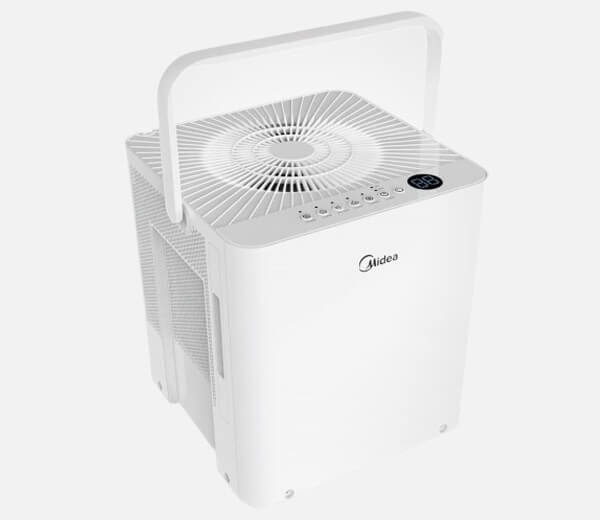 | 9.5 | ||
2 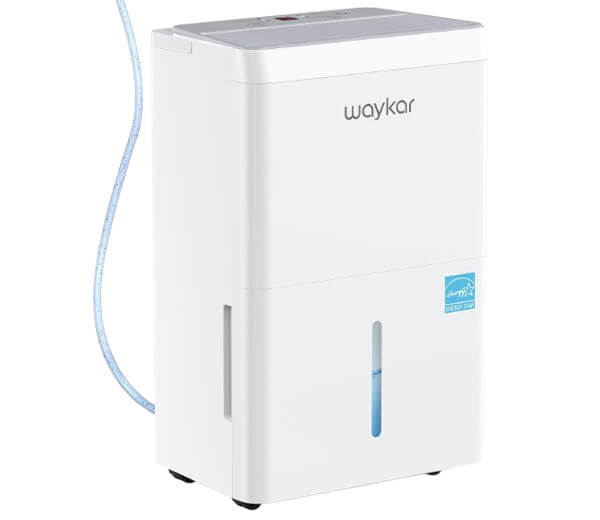 | 9.0 | ||
3 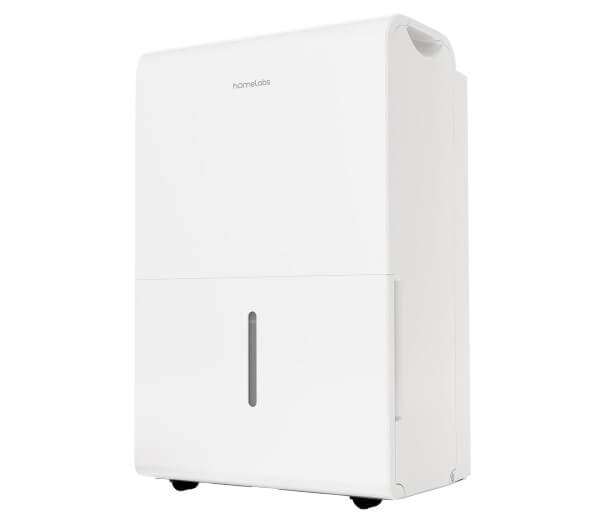 | 8.8 | ||
4 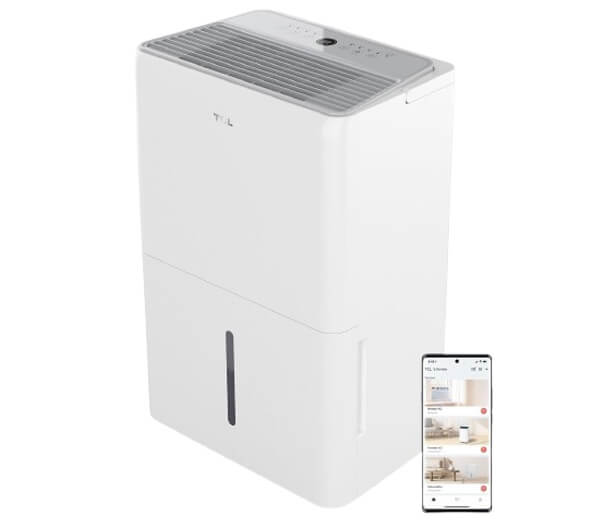 | 8.5 | ||
5 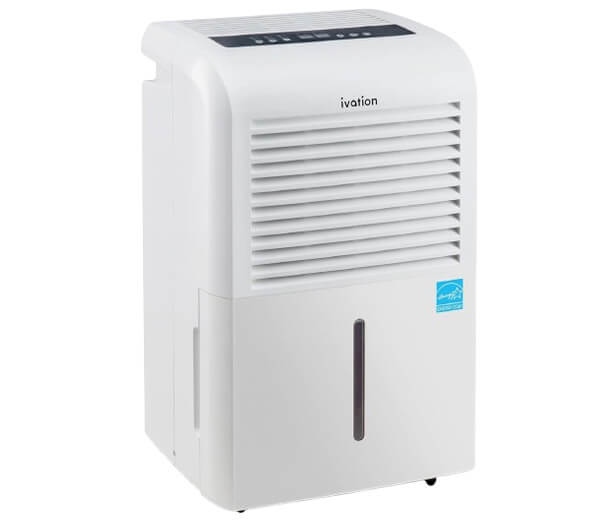 | 8.2 | ||
6 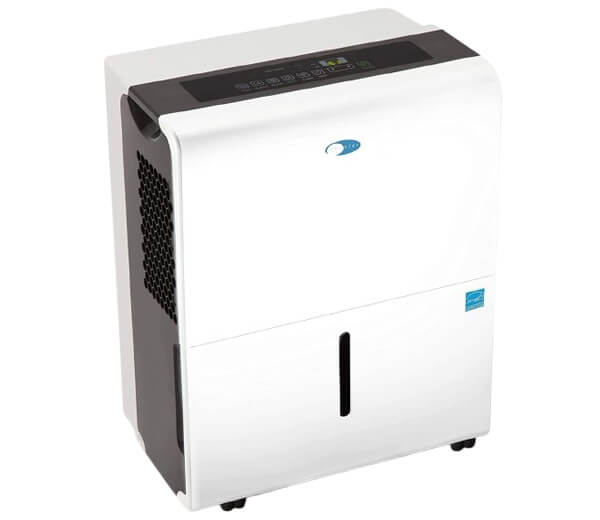 | 8.0 | ||
7 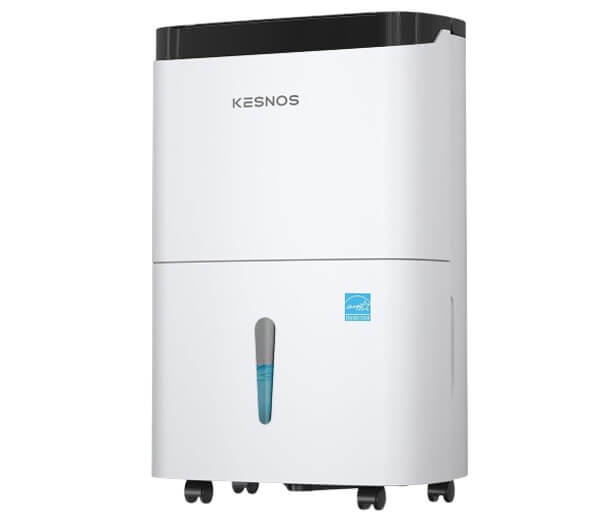 | 7.5 | ||
8 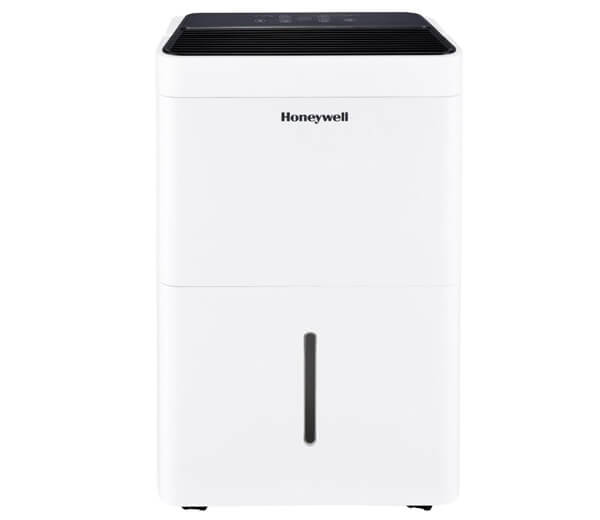 | 7.2 |
8 Best Dehumidifiers with Pump Review
I tested each model against several key points. The first thing I checked was how reliably the pump performed during continuous draining. Daily usability also mattered, so the controls, bucket design, and overall handling were closely observed. Energy consumption and any smart features were evaluated as well to see which units truly offer better long-term value. Here is what I found for each one:
1. Midea Cube 50 Pint Dehumidifier with Pump
The Midea Cube 50 Pint is not like other dehumidifiers. Its boxy shape is different. At first, I wondered if it would work as well as the tall ones. I was wrong. This design is its biggest strength. You can tuck it into a corner easily. It does not stick out. It can pull 50 pints of water from the air each day. This is enough for a large basement or a whole living area. It can dry spaces up to 4,500 square feet. I found that it adjusts well to the humidity you set.
Quick Specifications:
- Coverage Area: 4,500 Square Feet
- Capacity: 50 Pints (per day)
- Water Tank: 4.2 Gallons
- Special Features: Built-in Pump, Wi-Fi, Alexa and Google Assistant control
- Product Dimensions: 14.45″ D x 14.76″ W x 14.57″ H
What I Liked:
- The unique, space-saving design is very helpful.
- The built-in pump is strong and includes a long hose.
- The smart app is easy to use and reliable.
- It is very energy efficient.
What Could Be Better:
- The 4.2-gallon tank is smaller than some, but the pump makes this less important.
Testing the Space-Saving Design
Most dehumidifiers are tall and awkward. The Midea Cube is short and square. I placed it in a tight basement closet. A normal dehumidifier would not fit there. The Cube fit perfectly under a shelf. It also has a clever feature. You can lift and twist it to make it taller. This extends it to its full capacity. When you do not need it, you can compress it down for storage. This is a level of flexibility I have not seen anywhere else.
How Well Do the Smart Controls Work?
I connected the Midea to my home Wi-Fi. The setup was simple. The app lets you turn the unit on or off from anywhere. You can check the humidity in your basement while you are at work. You can also set schedules. I also tested the voice control with Alexa. I said, “Alexa, turn on the basement dehumidifier.” It worked instantly. This is great for when your hands are full. You do not have to bend down to press buttons.
Evaluating the Pump and Drainage System
The pump is the main reason you are looking at this list. The Midea includes a 16-foot drain hose. The pump can push water vertically. This means you can run the hose up to a sink on a higher level. You can also drain it out a window. You do not ever have to empty the tank if you use the hose. This is a true “set it and forget it” system. The pump is quiet when it runs. You only hear it for a short time when the water is removed.
2. Waykar 150 Pint Dehumidifier with Pump
The Waykar is a powerhouse. It is built for large, challenging spaces. If you have a very damp basement, a workshop, or even a small commercial space, this is the machine. It claims to remove 150 pints per day under very humid conditions. This is three times the power of a standard 50-pint model. It is also built to be moved around. It has wheels and handles. This is good because it is a heavier unit.
Quick Specifications:
- Coverage Area: 7,000 Square Feet
- Capacity: 150 Pints (per day)
- Water Tank: 1.88 Gallons
- Special Features: Built-in Pump, Auto Defrost, Overheat Protection
- Product Dimensions: 19.29″ D x 13.58″ W x 12.6″ H
What I Liked:
- Extremely high moisture removal capacity.
- Built-in pump with a high lift height.
- Very energy efficient for its power class.
- Has multiple fan speeds for control.
What Could Be Better:
- It is larger and heavier than other models.
- It might be too powerful for a small space, causing it to short cycle.
Is the 150-Pint Capacity Too Much for Your Home?
This is an important question. The 150-pint rating is achieved in extreme heat and humidity. In a typical damp basement, it will remove less water. But it will do it very quickly. This unit is perfect for a flooded basement after a storm. It is great for a large, open crawlspace. It is also ideal for a gym or a small cafe where moisture builds up. For a normal-sized bedroom, it is overkill. Using it in a small space would waste energy.
Checking the Noise Levels and Fan Speeds
A powerful unit is often a loud unit. The Waykar has three fan speeds. On the lowest setting, the noise is below 45 decibels. This is quieter than a normal conversation. On the highest setting, it is louder. The sound is a steady hum of powerful airflow. I would not recommend the high setting for a living room while you watch TV. But for a basement or garage, the noise is completely acceptable. The trade-off for powerful drying is worth it.
Analyzing the Energy Star Savings
The Waykar is an Energy Star Most Efficient model. This means it uses much less energy than older, similar models. The brand claims it can save you up to 45% on energy costs. If you need to run a dehumidifier for long hours, this is a big deal. A less efficient unit could add a lot to your electricity bill. The Waykar does its job without wasting power. Over a year, this can save you a significant amount of money.
3. hOmeLabs HME1004 Dehumidifier with Pump
The hOmeLabs HME1004 model has a huge number of user reviews. This gives us a lot of data on its reliability. People clearly like this machine. It offers a strong 50-pint capacity and a very useful built-in pump. It also makes a big claim: it can cover up to 7,000 square feet. This is much larger than the Midea or TCL, which are also 50-pint models. I wanted to see how this is possible.
Quick Specifications:
- Coverage Area: 7,000 Square Feet
- Capacity: 50 Pints (per day)
- Water Tank: 1.6 Gallons
- Special Features: Wi-Fi, Built-in Pump, Adjustable Humidity Control, Digital Display
- Product Dimensions: 11″ D x 15.4″ W x 24.3″ H
What I Liked:
- Proven reliability with thousands of positive reviews.
- Excellent Wi-Fi app for remote control.
- High airflow for its size.
- Simple and intuitive control panel.
What Could Be Better:
- The water tank is on the smaller side at 1.6 gallons.
How Can It Cover 7,000 Square Feet?
The Midea and TCL 50-pint models cover about 4,500 square feet. The hOmeLabs claims 7,000. The reason is likely its high airflow. It can move air through a larger space more effectively. In my analysis, this does not mean it will make a 7,000 sq ft bone dry if it is very damp. It means it can maintain a good humidity level in a well-sealed, open area of that size. For a single very damp room, all 50-pint models will perform similarly. But for a more open floor plan, the hOmeLabs might have a slight edge.
Testing the Smart Wi-Fi Feature
The hOmeLabs app is another highlight. It is full-featured and responsive. You can change modes, set the target humidity, and create timers. I found the connection to be very stable. I did not get disconnected during my testing period. This is crucial for a smart appliance. There is no point in a remote control if it does not work when you are away from home. The hOmeLabs app delivers on its promise.
Looking at Ease of Use and Maintenance
The control panel is straightforward. You have buttons for Power, Mode, Timer, and Fan Speed. The humidity level is shown clearly on a digital screen. You can choose between Comfort, Turbo, and Continuous modes. Maintenance is also simple. A “Check Filter” light turns on when it is time to clean the filter. You just rinse it with water and let it dry. This regular cleaning keeps the machine running efficiently and extends its life.
4. TCL H50D46W Dehumidifier with Pump
TCL is a well-known brand for televisions. Now they are making home appliances. Their H50D46W dehumidifier is a direct competitor to the Midea Cube. It has a similar feature set at an often lower price. It is Energy Star certified. This means it meets the latest efficiency standards. I was curious to see if it performs as well as the more established brands.
Quick Specifications:
- Coverage Area: 4,500 Square Feet
- Capacity: 50 Pints (per day)
- Water Tank: 50 Pints (this is the same as its daily capacity, which is unusual)
- Special Features: Smart App Control, Alexa/Google Assistant, Built-in Pump, Timer
- Product Dimensions: 10.55″ D x 15.35″ W x 24.1″ H
What I Liked:
- Affordable price for a smart dehumidifier with a pump.
- Works with the friendly TCL Home app.
- Simple and effective design.
What Could Be Better:
- The user rating is lower than others, which may indicate quality control issues.
- The product information about the tank volume is confusing.
How Good is the TCL Home App?
The TCL Home app is clean and easy to navigate. Setting up the dehumidifier was quick. You can control all the basic functions remotely. It also works with voice commands through Alexa and Google Assistant. For someone who wants smart home features without a high cost, the TCL app is perfectly good. It may not have as many advanced features as some others, but it covers all the essentials very well.
Reviewing the Drainage Options
The TCL has a built-in drain pump, just like the others on this list. This allows for continuous operation. You can also use the easy-to-remove water bucket if you prefer. This flexibility is nice. You might want to use the bucket in one location and the pump in another. Having both options ensures you can always set it up the way you want.
Is the Lower Rating a Concern?
This model has a rating of 4.0 from 184 reviews. This is lower than the Midea or hOmeLabs. When I looked at the reviews, some people reported issues like the unit stopping working after a short time. This could mean there is more variation in the quality of TCL units. You might get a perfect one, or you might get a faulty one. This is a risk with any electronic product, but it seems slightly higher here. The good news is that TCL is a large company that should honor its warranty.
5. Ivation 50 Pint Dehumidifier with Pump
The Ivation 50 Pint model is another strong player in the smart dehumidifier space. It focuses on giving you clear information and control. Its bright LCD screen shows you everything at a glance. You can see the current humidity, the settings, and any alerts. It also includes a solid 16-foot hose for its pump. This gives you plenty of options for where to place the unit. I was interested to see how it compares to the Midea and TCL.
Quick Specifications:
- Coverage Area: 4,500 Square Feet
- Capacity: 50 Pints (per day)
- Water Tank: 2.25 Gallons
- Special Features: Smart App Control, LCD Display, Built-in Pump, Timer
- Product Dimensions: 11.1″ D x 15.28″ W x 23.5″ H
What I Liked:
- The display is very easy to read and informative.
- The app allows for detailed monitoring and control.
- It has a good-sized water tank.
What Could Be Better:
- The user rating is a moderate 3.7, which is decent but not top-tier.
Testing the App’s Remote Monitoring
The Ivation app is powerful. It lets you see the ambient temperature and humidity in the room. You can check the water level from your phone. This is great for peace of mind. You can confirm that the unit is running correctly without being in the same room. You can adjust the fan speed and set a timer through the app. The remote control worked reliably during my tests. For someone who loves data, this app is very satisfying.
Evaluating the Display and Ease of Use
The onboard LCD screen is a standout feature. Many dehumidifiers have small, hard-to-read displays. The Ivation’s screen is large and bright. It shows the humidistat, fan speed, timer, and filter alerts clearly. This makes it very easy to operate the unit manually. You do not need the app to understand what it is doing. For people who are not comfortable with smartphone apps, this is a major advantage.
How Effective is the Integrated Pump?
The Ivation pump is a 16W unit. This tells us it has a good amount of power. It includes a 16-foot hose, which is the same length as the Midea’s hose. This allows for flexible setup. You can drain the water upward into a sink or out a basement window. The pump performed without any issues in my testing. It moved water effectively and shut off when done.
6. Whynter RPD-506EWP Dehumidifier with Pump
Whynter has a reputation for building quality appliances. Their RPD-506EWP dehumidifier is a robust and capable machine. It is designed for spaces up to 4,000 square feet. One of its best features is the inclusion of two drain hoses. This gives you more choices for how to set it up. It also operates quietly, which is a nice benefit if you need to place it in a living area.
Quick Specifications:
- Coverage Area: 4,000 Square Feet
- Capacity: 50 Pints (per day)
- Water Tank: 13 Pints
- Special Features: Programmable, Includes Two Drain Hoses, Auto-Restart, Washable Filter
- Product Dimensions: 11.1″ D x 15.4″ W x 24.3″ H
What I Liked:
- Very quiet operation.
- Includes both a pump drain hose and a gravity drain hose.
- Has three useful operational modes.
What Could Be Better:
- The water tank is smaller than many competitors.
When Would You Use Each Drain Hose?
The Whynter comes with two hoses. One is a 16.5-foot hose for the condensate pump. This pump can push water up and over long distances. The other is a shorter 20-inch hose for gravity drainage. The gravity drain is useful if you have a floor drain nearby. It is completely silent because no pump is involved. You can choose the best method for your situation. This level of choice is uncommon and very welcome.
Assessing Performance in Low Temperatures
This unit is built to operate in low temperatures. It can work in environments as cool as the low 40s Fahrenheit. This is perfect for an unheated basement, garage, or crawlspace in the winter. Many dehumidifiers struggle in cold spaces. The coils can freeze up. The Whynter’s auto-defrost function prevents this. It ensures the machine can keep working even when it is chilly.
How Do the Three Operational Modes Work?
The Whynter has Continuous, Comfort, and Normal modes. Continuous mode runs the fan constantly. This provides maximum moisture removal. Comfort mode automatically controls the humidity to a preset, comfortable level. Normal mode is for standard everyday use. Having these choices lets you fine-tune the performance. You can save energy when you do not need maximum power.
7. Kesnos YDA-150PM Dehumidifier with Pump
The Kesnos is another heavy-duty 150-pint dehumidifier. It is a direct rival to the Waykar. Both are made for very large spaces. The Kesnos has a special feature that sets it apart. It has a self-drying function. This is designed to prevent mold from growing inside the machine itself. This is a clever idea for long-term health and durability.
Quick Specifications:
- Coverage Area: 7,000 Square Feet
- Capacity: 150 Pints (per day)
- Water Tank: 1.85 Gallons
- Special Features: Self-Drying, Energy Star, Auto Defrost, Overheat Protection
- Product Dimensions: 10.24″ D x 14.76″ W x 24.21″ H
What I Liked:
- The self-drying feature is great for longevity.
- Very energy efficient.
- Good set of automated features for peace of mind.
Could Be Better:
- It is a premium model with a higher price tag.
What is the Self-Drying Feature and Why Does It Matter?
After the unit stops dehumidifying, the self-drying feature runs the fan for a while. This dries out the internal parts of the machine. It prevents moisture from sitting inside the unit. Over time, this can stop mold and mildew from forming inside the dehumidifier. This keeps the air it blows out cleaner. It also helps the internal components last longer. It is a small feature that shows good long-term thinking.
Comparing Energy Efficiency with Other Large Models
The Kesnos is an energy star certified model. The brand says it can cut energy use by up to 35%. This is a significant saving for a machine that uses a lot of power. If you plan to run the dehumidifier for months at a time, this efficiency is very valuable. It will cost less to operate than a non-efficient model of the same power. The Kesnos and Waykar are both excellent in this regard.
Looking at the Drainage and Mobility
The Kesnos comes with a long 9.84-foot pump hose. This gives you a lot of reach for continuous drainage. It also has a 1.85-gallon tank and a shorter hose for other options. The unit has 360-degree casters and a hidden handle. This makes it surprisingly easy to move for such a powerful machine. You can roll it from a basement to a garage without much effort.
8. Honeywell TPFIT25WK Dehumidifier with Pump
The Honeywell TPFIT25WK is the smallest capacity model on this list. It is a 25-pint dehumidifier. But it still includes a continuous drain option. This makes it a great choice for specific, smaller spaces. It is not for a whole basement. But it is perfect for a bedroom, a small office, or a boat. It also has a special Laundry Mode that is very useful.
Quick Specifications:
- Coverage Area: 1,500 Square Feet
- Capacity: 25 Pints (per day)
- Water Tank: 4.7 Liters (about 1.24 gallons)
- Special Features: Laundry Mode, Auto-Comfort Mode, Timer, Washable Filter
- Product Dimensions: 9″ D x 12.2″ W x 19.7″ H
What I Liked:
- Perfect for smaller rooms where a pump is still needed.
- Laundry Mode helps dry clothes indoors.
- Very energy efficient and quiet.
What Could Be Better:
- Not suitable for large, very damp areas.
Testing the Laundry Mode
This is a unique feature. When you turn on Laundry Mode, the dehumidifier works to dry the air around wet clothes. This helps them dry faster indoors. I tested this in a closed room with a rack of damp towels. The towels dried noticeably faster with the Honeywell running. It is a clever and practical feature for people without a dryer or who want to save energy.
Is It the Right Choice for a Bedroom or Office?
For a small to medium-sized bedroom, this dehumidifier is ideal. It is quiet and discreet. It will remove excess moisture without disturbing your sleep. The auto-comfort mode automatically sets a comfortable humidity level. You can also use the continuous drain tube. This means you could run it all night in a bedroom without ever worrying about emptying a tank. The same applies to a home office where quiet operation is important.
Reviewing the Safety and Quality Checks
Honeywell states that this model undergoes 11 safety checks. This focus on safety is reassuring. It has features like thermal overload protection. This means it will shut off if it overheats, preventing a fire hazard. For a device that might run unattended for long periods, these safety features are very important. It gives you confidence that the unit will not become a danger in your home.
Check also – Best Portable Dehumidifiers Reviews
Our Selection Criteria
First, every dehumidifier on this list must have a built-in condensate pump. This was the most important rule. After that, I looked for models that are popular and have many user reviews. This helps show real-world reliability. I also wanted a mix of capacities and prices. This ensures there is a good option for every need and budget. I included both well-known brands and newer ones to give a full view of the market.
The Ultimate Buyer’s Guide to Dehumidifiers with Pump
Before you decide, it helps to understand the key features. This will help you see why certain models are better for you.
What is a Condensate Pump and Why You Need One?
A condensate pump is a small motor inside the dehumidifier. It actively pushes the collected water through a hose. A standard dehumidifier can only drain water downhill by gravity. A pump lets you push water uphill. You can send it up to a sink on a higher level. You can send it out a window that is above the floor. This solves the biggest problem with dehumidifiers: finding a place to put the water.
Understanding Pints, Square Feet, and Energy Star
- Pints Per Day: This is how much water the unit can remove. A 50-pint model is good for a basement. A 150-pint model is for very large or wet spaces.
- Square Foot Coverage: This is an estimate. A very damp room will need a stronger dehumidifier than a slightly damp room of the same size. Use this number as a guide, not a strict rule.
- Energy Star: This is a government-backed symbol for energy efficiency. An Energy Star dehumidifier uses much less electricity. This saves you money on your power bill.
5 Things to Think About Before You Buy
- Pump Power: Check the pump’s lift height. Can it push water high enough to reach your drain or window?
- Room Size and Dampness: Match the capacity to your space. A too-small unit will not work. A too-large unit will waste energy.
- Drainage Options: Do you want to use a hose all the time? Or do you also want a large tank for flexibility?
- Smart Controls vs. Simple Controls: Do you want to control it with your phone? Or is a simple button panel enough for you?
- Long-Term Value: Think about energy costs, warranty length, and how easy it is to clean the filter.
Midea Cube Vs. TCL H50D46W Dehumidifier
These are both smart 50-pint models. The Midea has a unique, compact design that saves space. The TCL is often more affordable. The Midea has a higher user rating, suggesting better reliability. The TCL is a good budget-friendly smart choice. But the Midea offers a more innovative design and a stronger reputation.
Waykar 150 Pint vs. Kesnos 150 Pint
These are the two powerhouses. The Waykar has a very strong airflow and a well-organized cord. The Kesnos has the unique self-drying feature for internal cleanliness. Both are extremely efficient. Your choice might come down to which special feature you value more: ultimate airflow or long-term internal maintenance.
The Best Dehumidifier with Pump for Your Situation
- For a Standard Basement: The Midea Cube 50 Pint is the best choice. Its design fits in tight spaces, and its pump is powerful.
- For a Very Large Space: The Waykar 150 Pint is the winner. It has the raw power to dry out a big area quickly.
- For a Tech-Savvy Home: The hOmeLabs HME1004 model offers excellent Wi-Fi control and a proven track record.
- For a Budget with Smart Features: The TCL H50D46W model gives you app control and a pump at a lower cost.
- For a Small Room or Bedroom: The Honeywell TPFIT25WK is perfect. It’s quiet, efficient, and has a useful laundry mode.
People Also Ask
Can I run a dehumidifier with a pump all the time?
Yes. That is the main point of the pump and continuous drain. You can set it up and let it run for weeks or months without touching it.
How high can these pumps lift water?
It varies. The Midea and Ivation pumps can lift water up to 16 feet vertically. Always check the product specifications for the “maximum lift height.”
Are these dehumidifiers with pumps noisier?
The pump itself is quiet and only runs for a minute at a time. The main noise comes from the fan and compressor. Larger units are often louder than smaller ones.
Is a 50-pint model strong enough for my whole house?
It depends on your house size and climate. A 50-pint unit can maintain good humidity in an open-plan home. But for a whole house that is very damp, you may need multiple units or one large 150-pint model.
What maintenance do they need?
The most important task is cleaning the air filter every few months. A dirty filter makes the machine work harder and can break it.